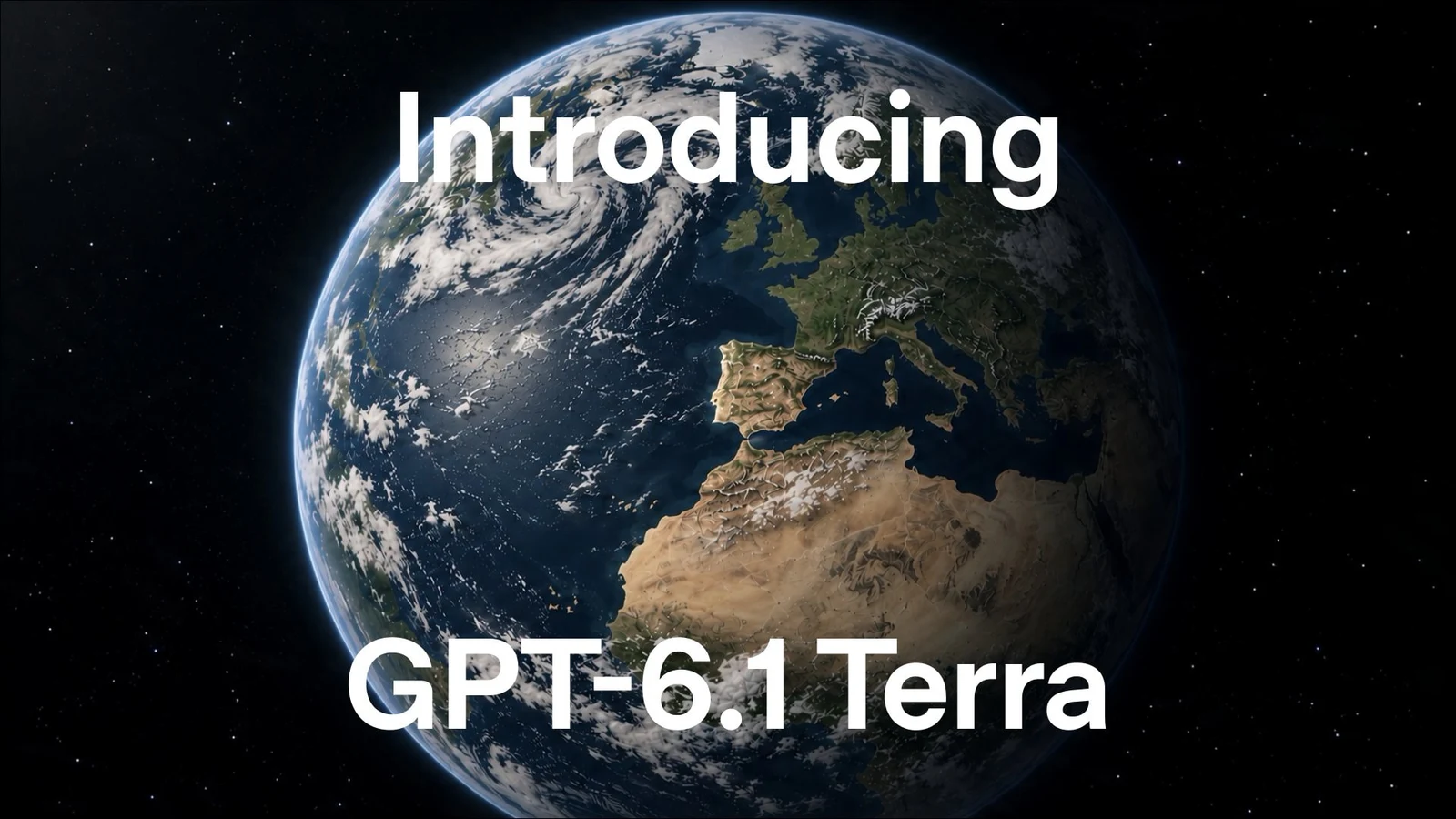
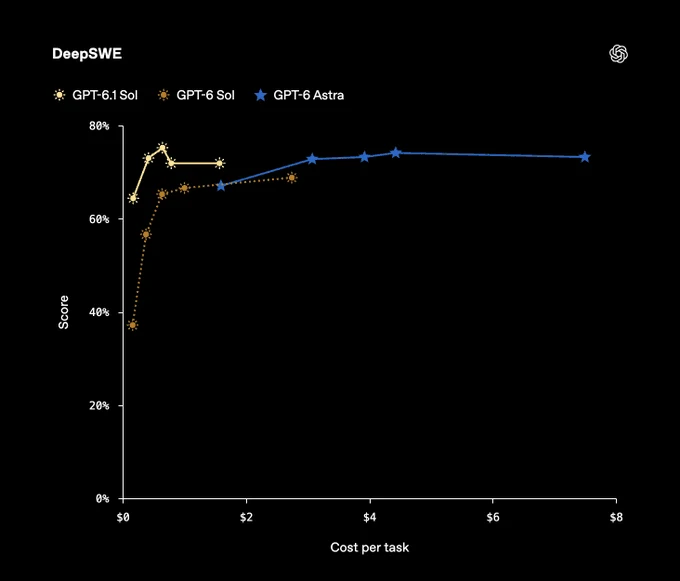
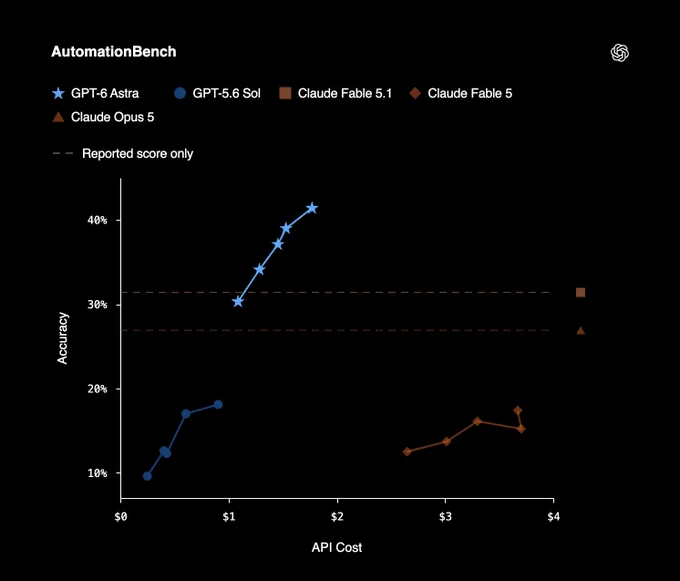
The model arrives in ChatGPT Work, Codex and the API, with standard token prices of $1 input and $5 output per million. Its desktop and coding gains come from OpenAI’s own evaluations.
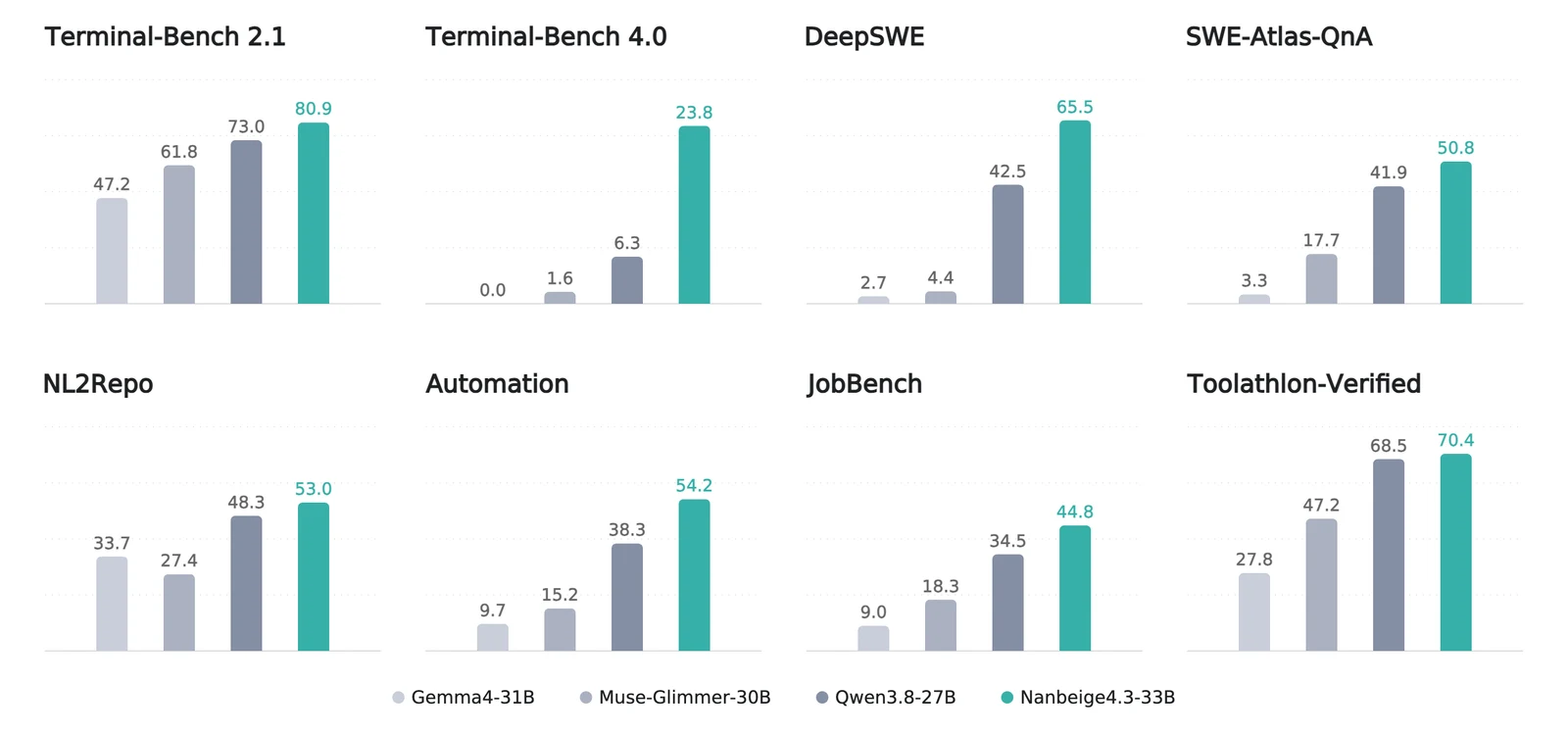
Nanbeige4.3-33B brings downloadable Apache-2.0 weights and a 512K context window. The lab plans to use it as a teacher for smaller agents.
Moonshot’s new flagship and Highspeed variant are available through its products and API. The downloadable-weight release is still ahead.
Official weights are now downloadable. The 428B-parameter model pairs a million-token context with efficiency changes, while commercial use carries license conditions.
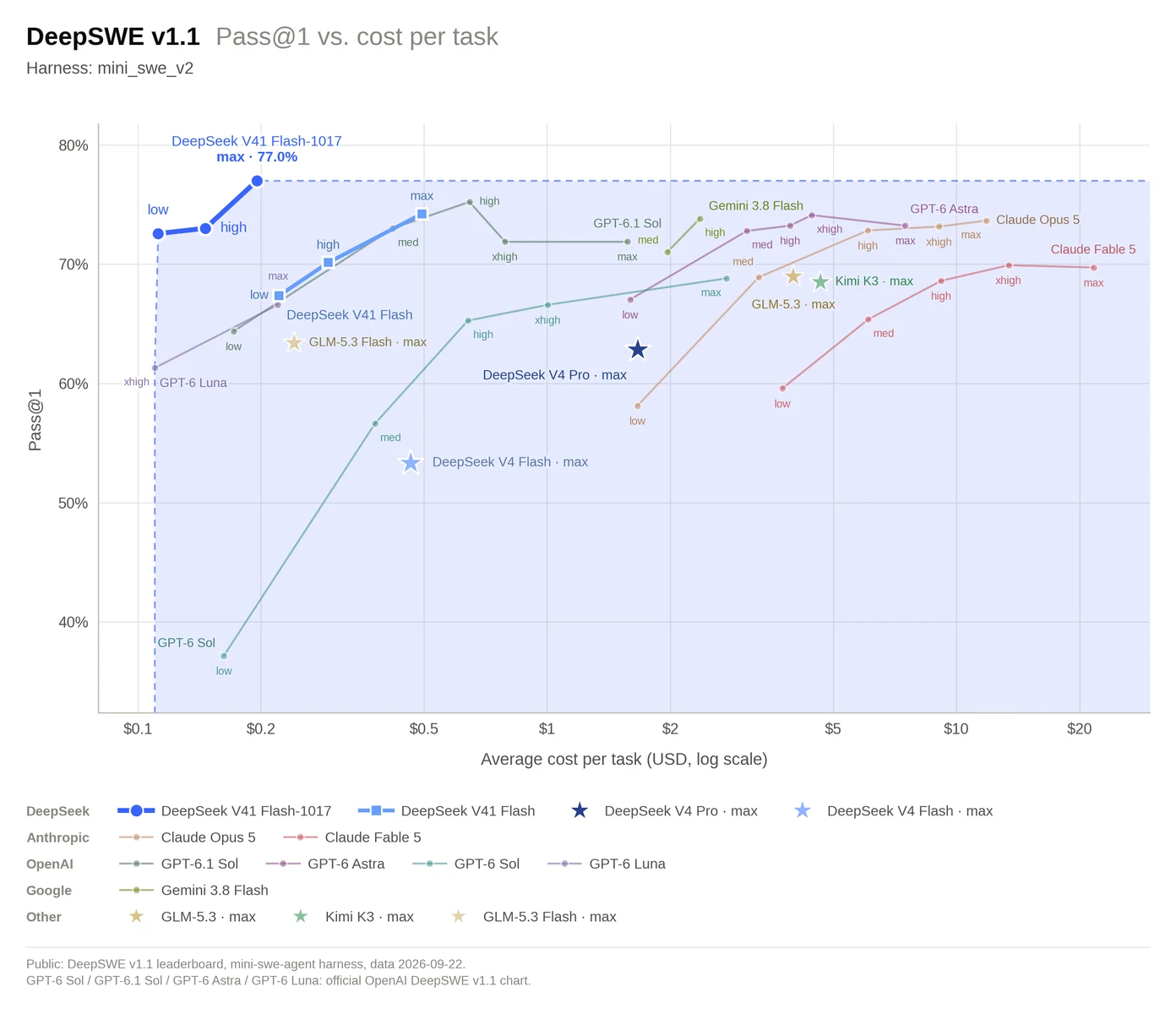
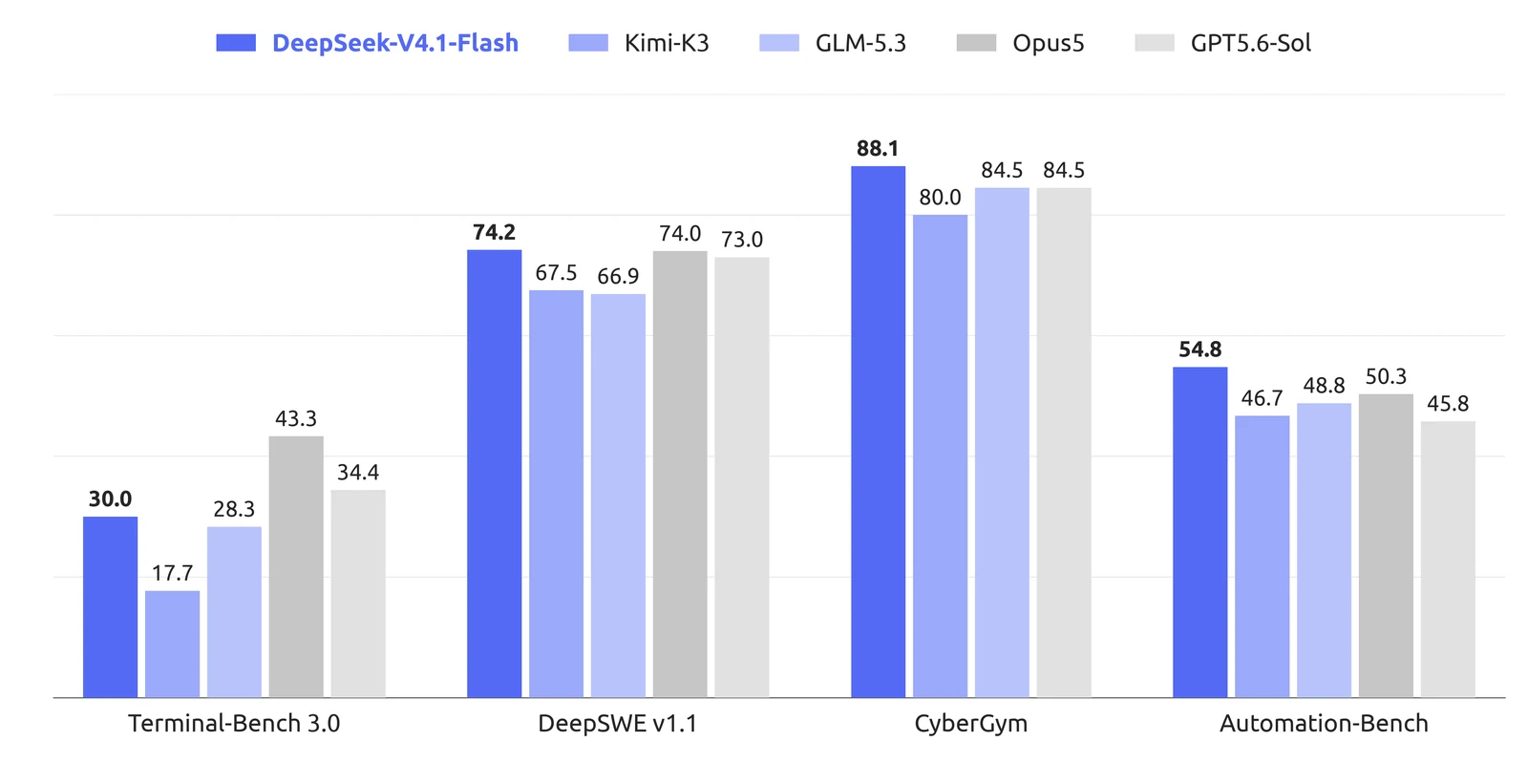
V4.1-Flash-1017 reaches the app, website and API, with DeepSeek reporting shorter task runtimes and stronger results.
Downloadable weights bring a million-token multimodal model to developers, under a license with commercial conditions.
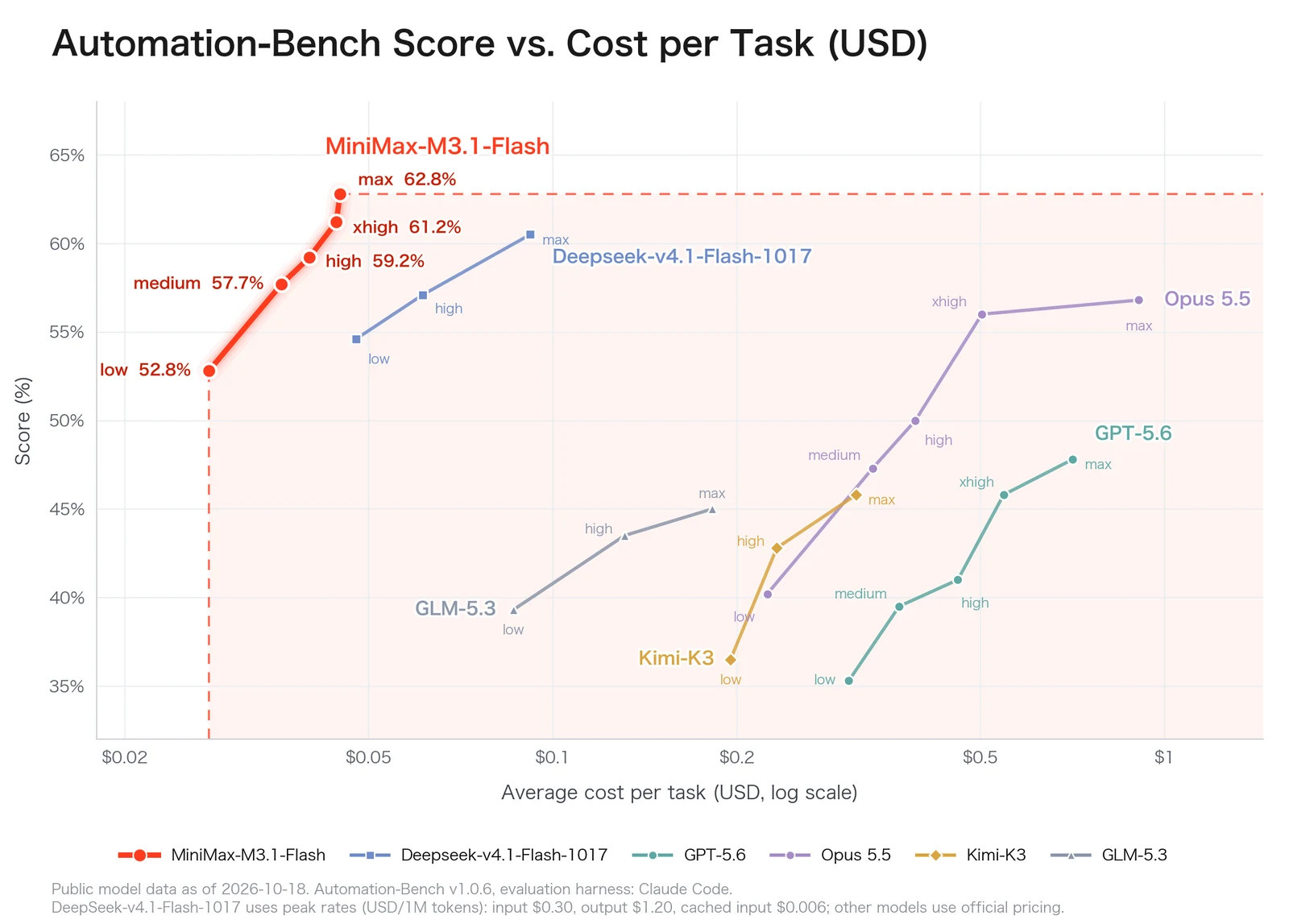
The October 14 release puts responsiveness and support-call completion at the center of its pitch.
The frontier model reaches developers and eligible paid Gemini users, with engineering and professional workflows central to Google’s pitch.
The specialized model targets legal work products, with API access by application and AutoClaw integration described as forthcoming.
The launch adds developer access while putting memory and sustained task execution at the center of Meta’s model pitch.
The small model adds adjustable effort, with summaries, classification and coding subagent work among its intended uses.
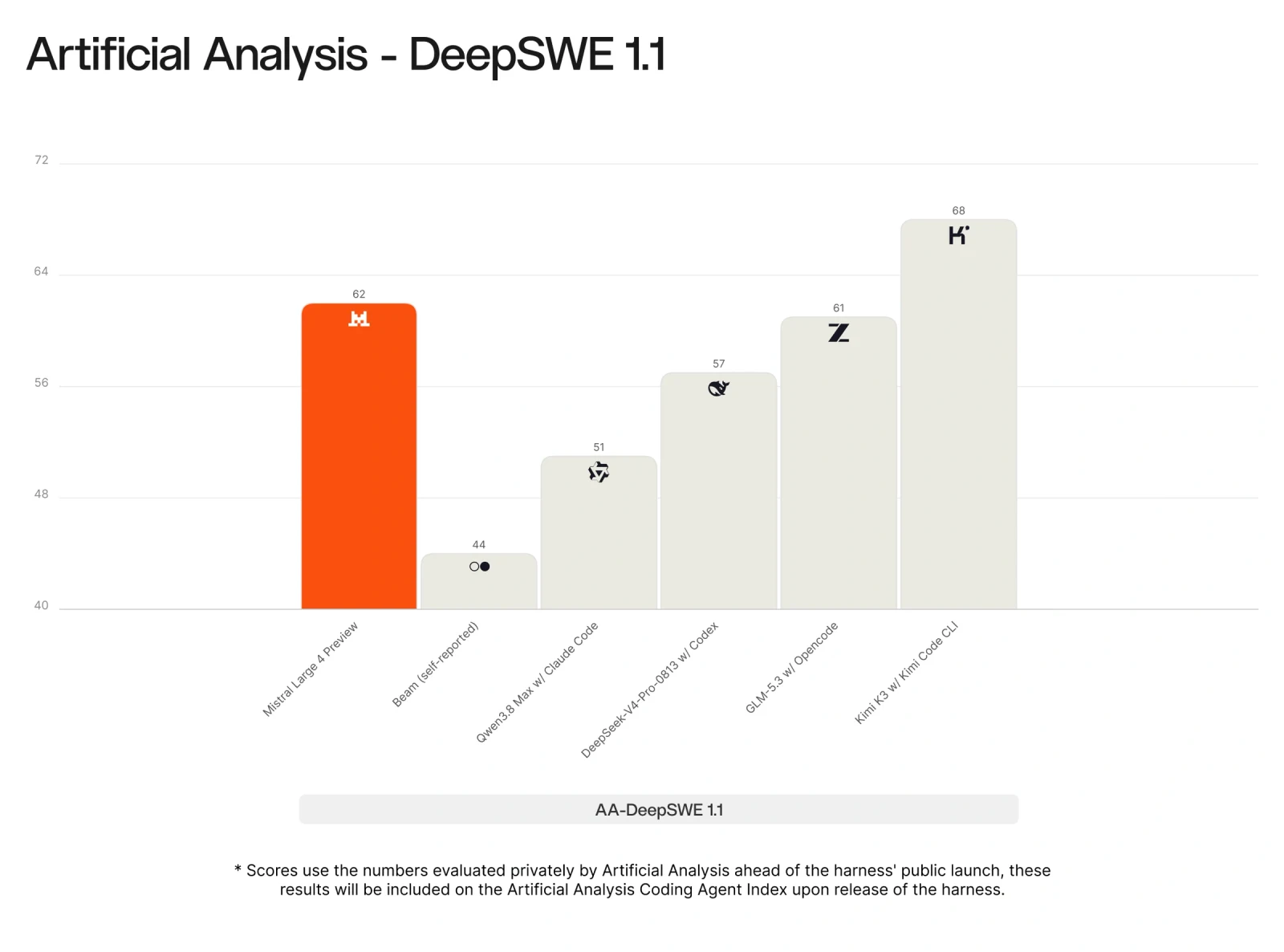
The European lab opens an API preview while scheduling downloadable weights for later in October.
The release includes weights and training data, with a clear warning about the age of its evaluation comparisons.
Two tiers share an embedding space, allowing different query choices without rebuilding the same index.
30 Sept 2026 · 2 MIN READThe model targets coding, computer use and professional tasks, with standard API token prices below Astra’s.
29 Sept 2026 · 2 MIN READAnthropic describes gains in well-defined coding and document tasks, while retaining Opus for work needing sustained judgment.
28 Sept 2026 · 2 MIN READThe first Claude 5.5 release targets complex work and includes new behavioral evaluations and safeguards.
22 Sept 2026 · 2 MIN READThe September model release pairs a larger base model with a longer reinforcement-learning run.
21 Sept 2026 · 1 MIN READThe September open release uses a seven-billion-parameter visual generation component and accepts multiple references.
20 Sept 2026 · 1 MIN READThe September speech-to-text release keeps the prior pricing and adds an updated accuracy claim.
18 Sept 2026 · 1 MIN READThe September announcement describes a million-token multimodal model and a runtime for real-time interaction.
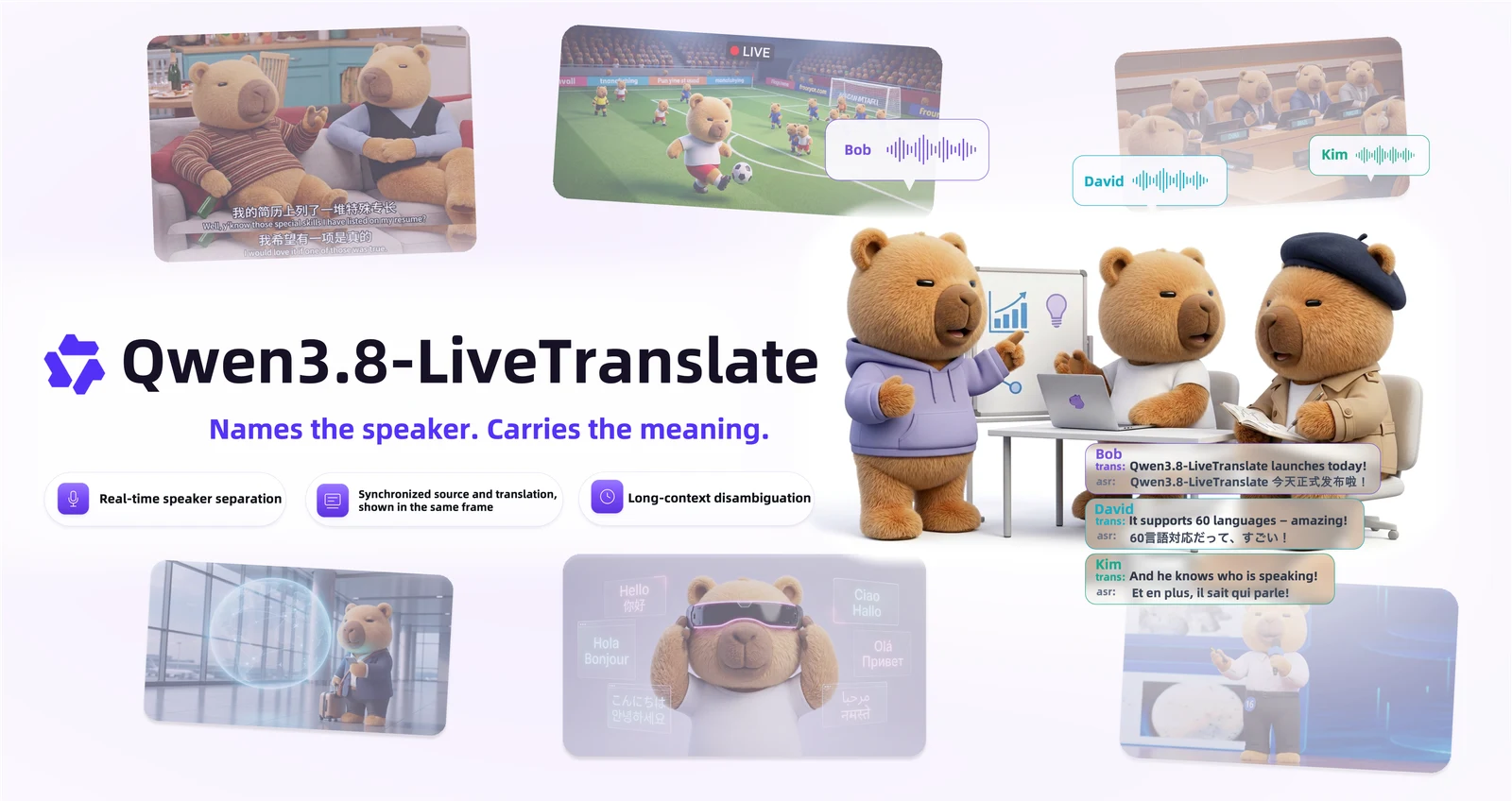
18 Sept 2026 · 2 MIN READThe September model update combines bilingual text, context and translated speech in a streaming workflow.
18 Sept 2026 · 1 MIN READThe new Live models support background tool calls while a conversation continues, with a separate option for deeper reasoning.
15 Sept 2026 · 2 MIN READThe September release changes the architecture and API model name, while a later notice preserves access to V4-Pro.
10 Sept 2026 · 1 MIN READThe September release combines broader task execution with new deployment monitoring, according to OpenAI’s launch and safety pages.
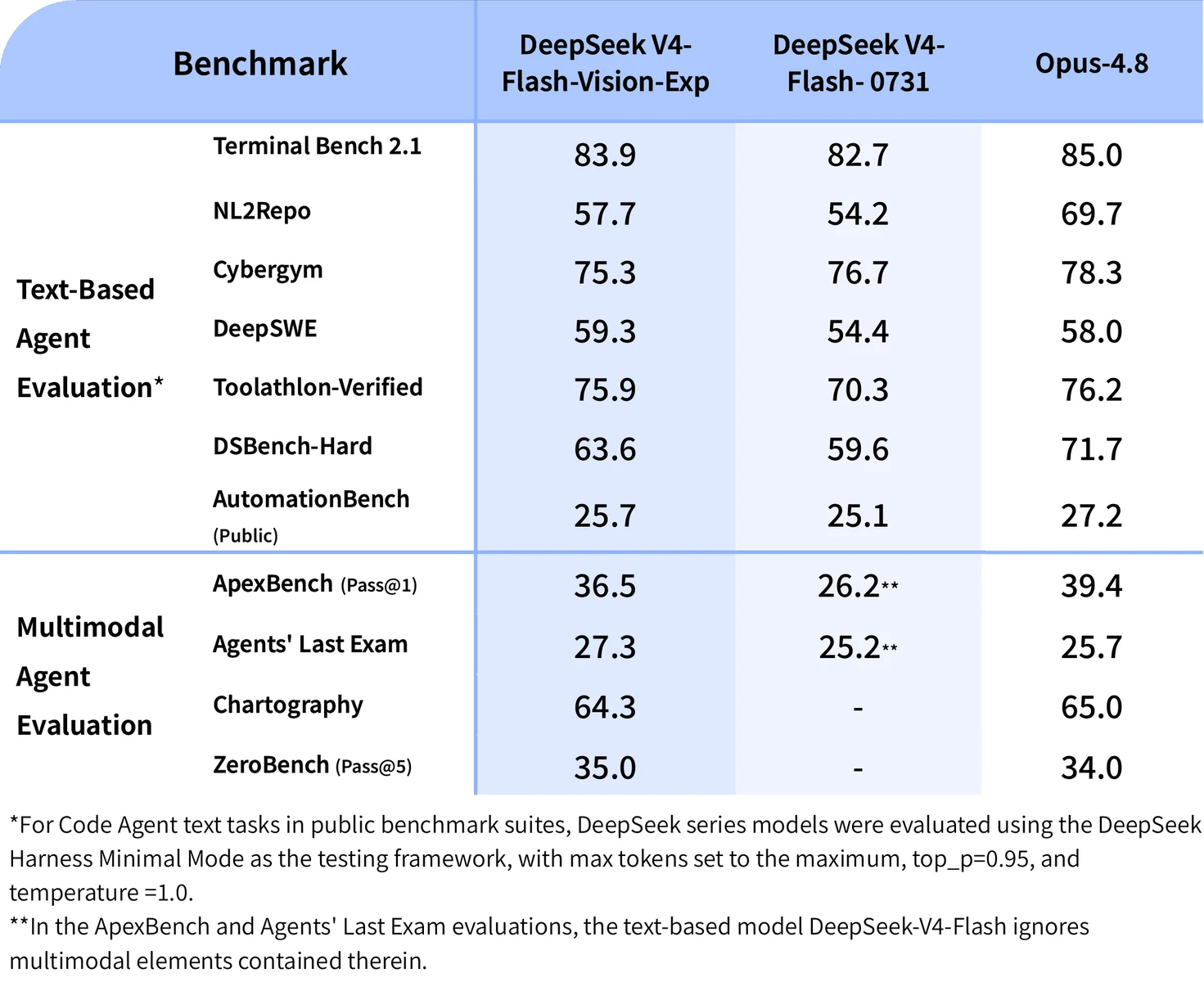
V4-Flash-Vision-Exp brought mixed text and image requests to the API in August; the model has since been superseded.
The August release added reasoning controls and native Responses support, alongside a new peak and off-peak pricing structure.
The model combines structured musical descriptions with a redesigned generation and audio-rendering pipeline.
The August announcement scales the flagship to 2.4 trillion total parameters and promises open weights.
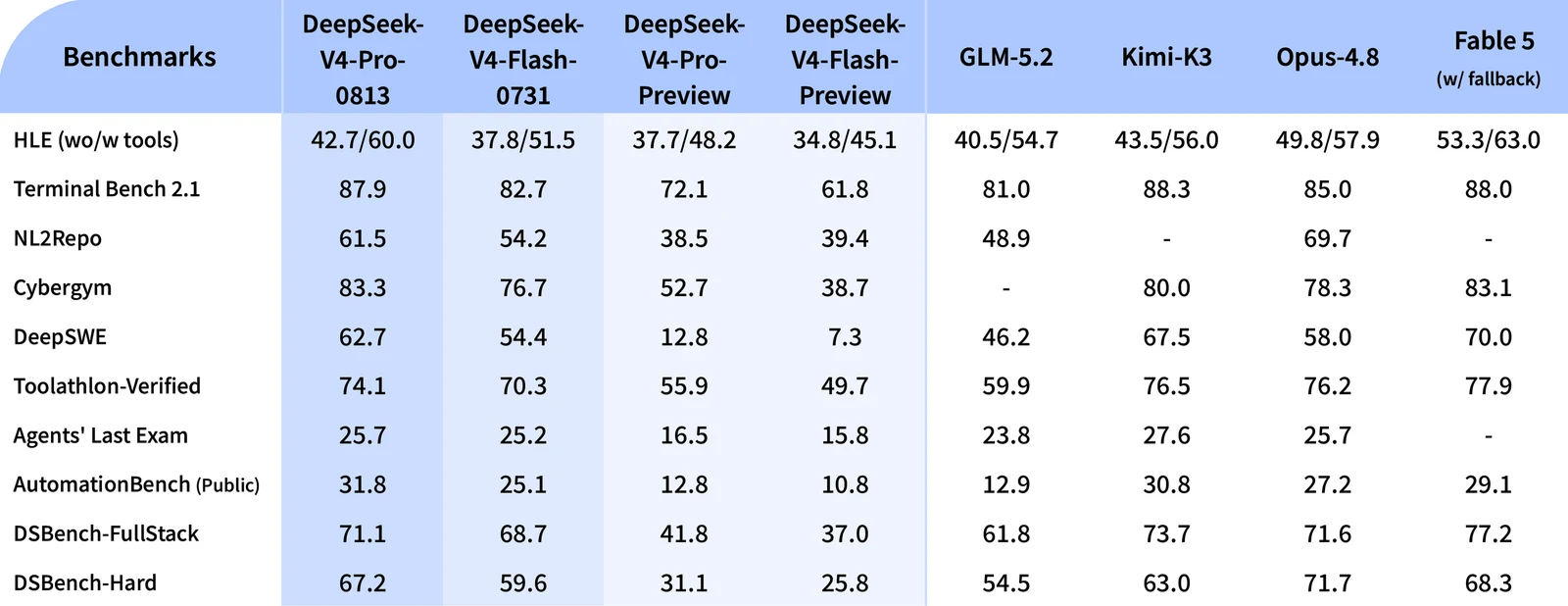
A new post-training run reached the V4-Flash API without changing the model’s size or architecture.
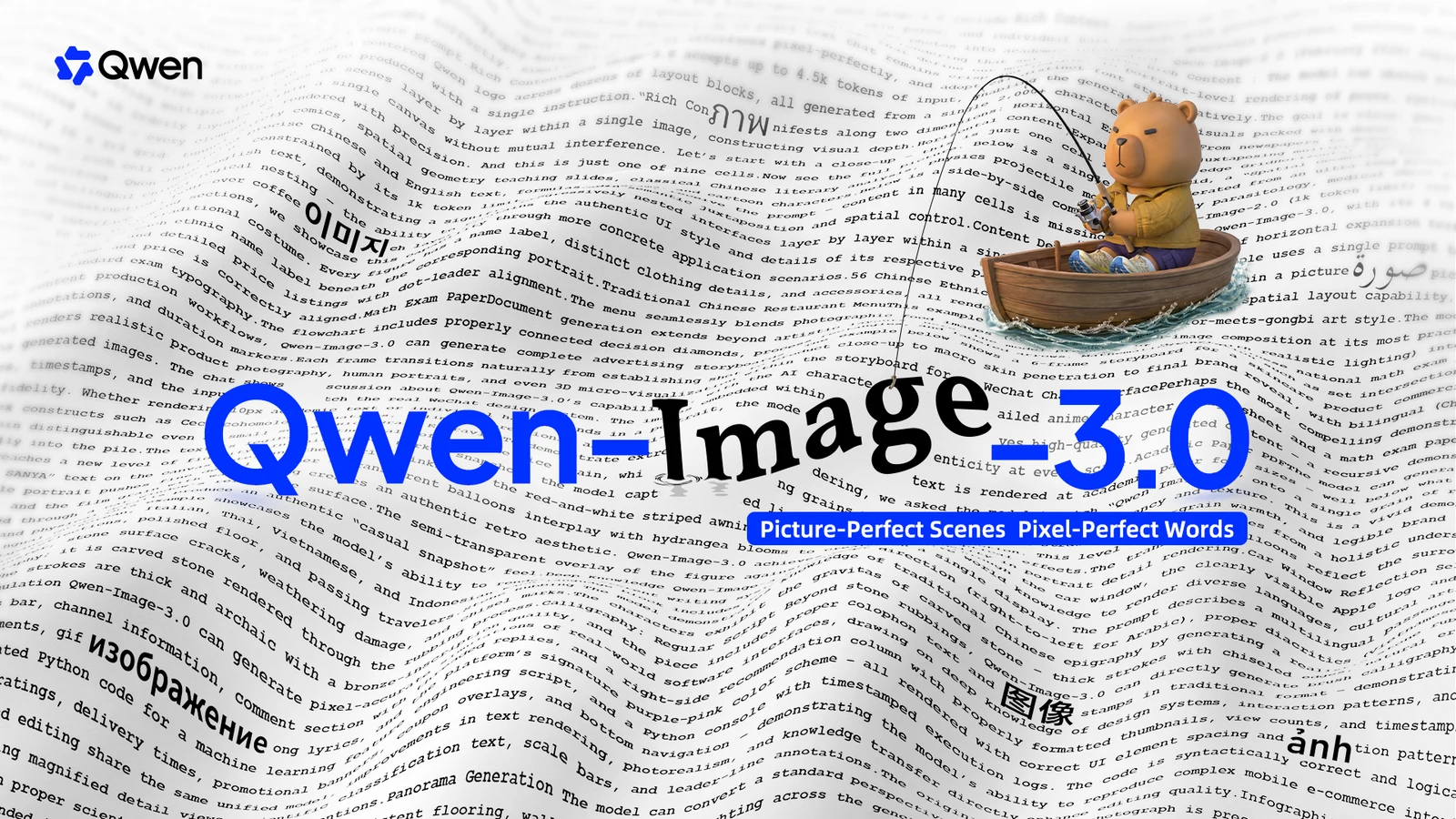
The July release targets information-heavy images such as newspapers, storyboards and illustrated documents.
The April release introduced Pro and Flash variants, open weights and updated API model names.
The December release paired a general model with a separate high-compute research variant.