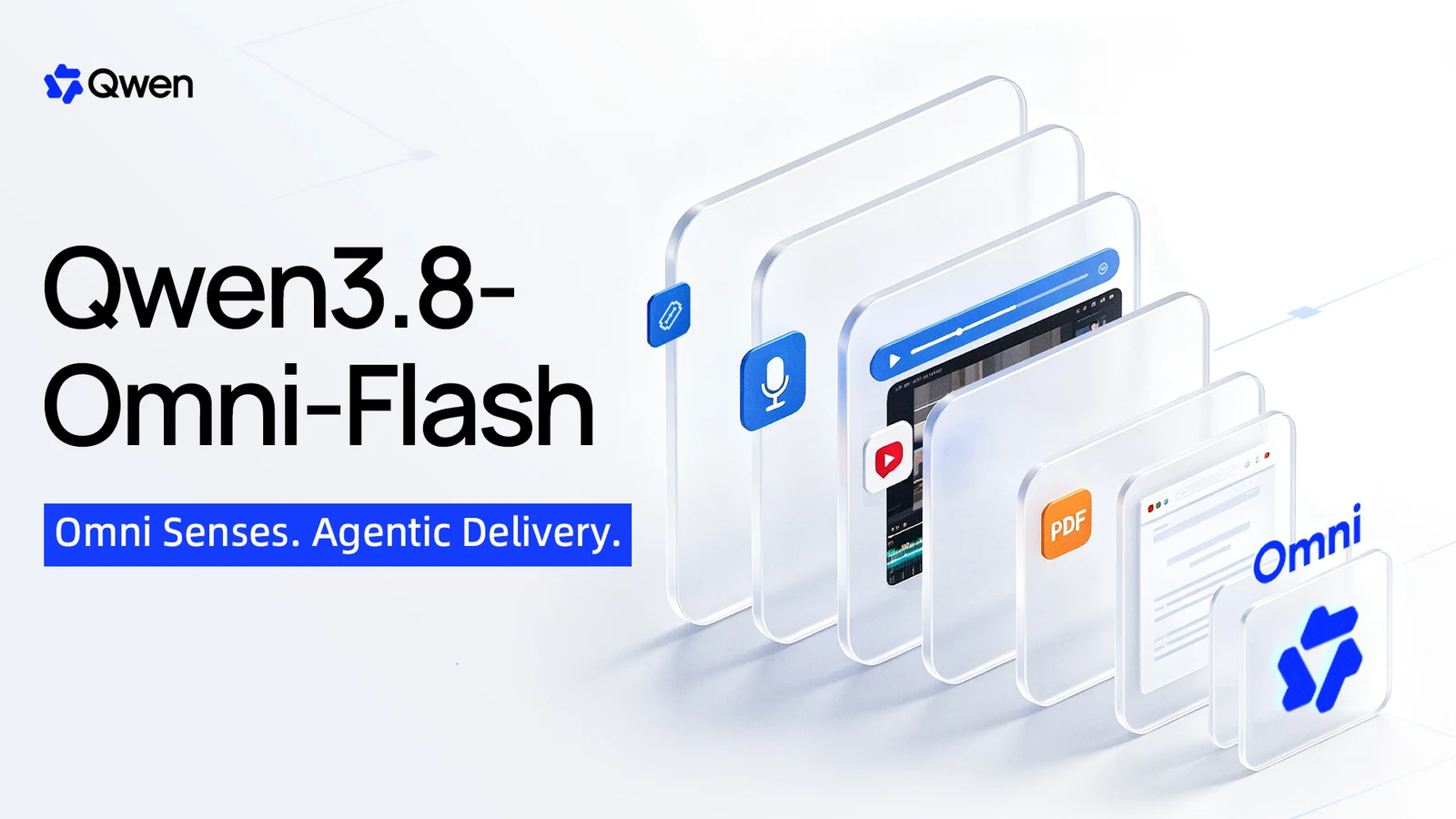
Qwen 3.8-Omni-Flash extends agents into audio and video work
The September announcement describes a million-token multimodal model and a runtime for real-time interaction.
THE STORY IN THREE POINTS
- The official post is dated September 18 and marked draft.
- The model accepts text, image, audio and video inputs.
- The announcement includes Qwen-Live Harness for continuous interaction.
The announcement
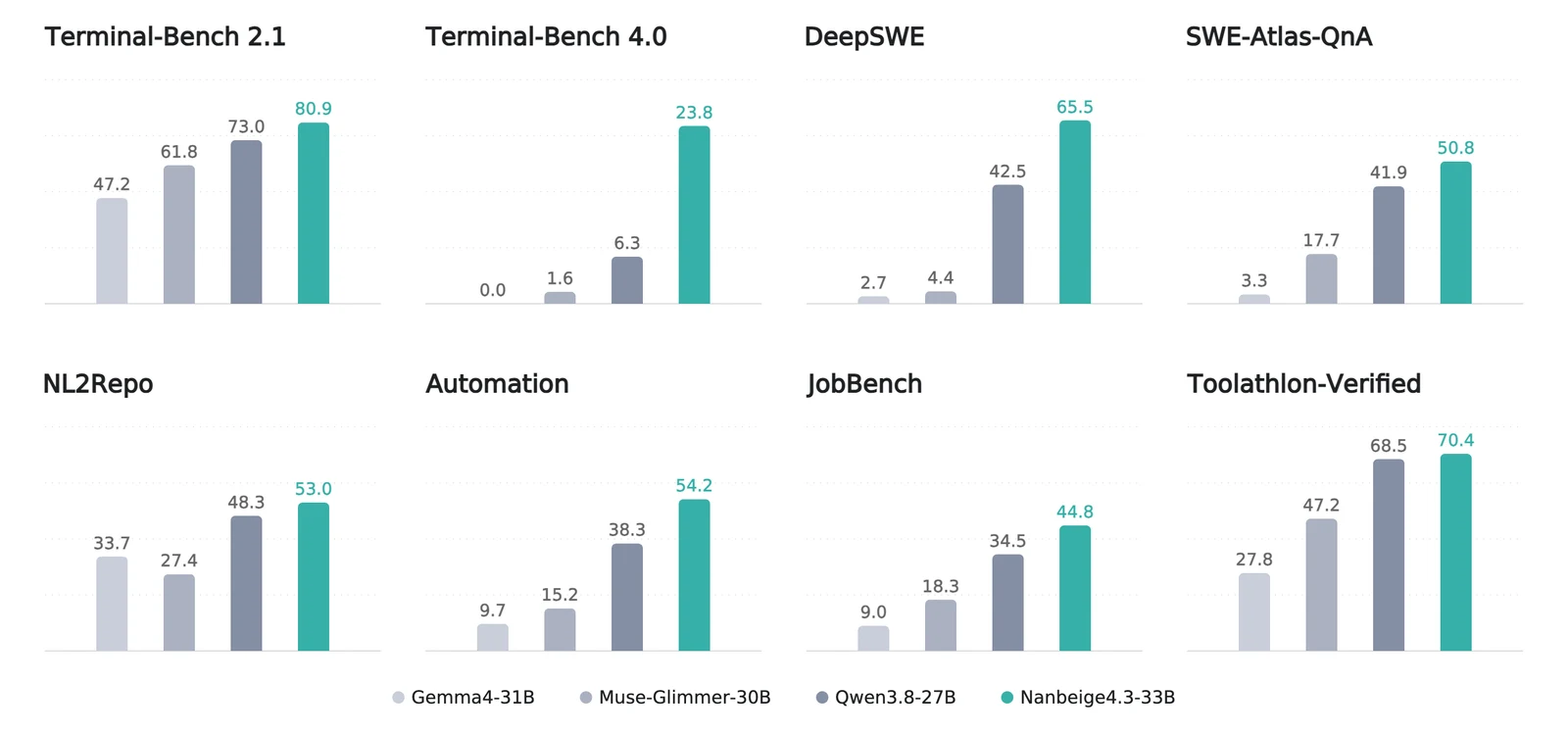
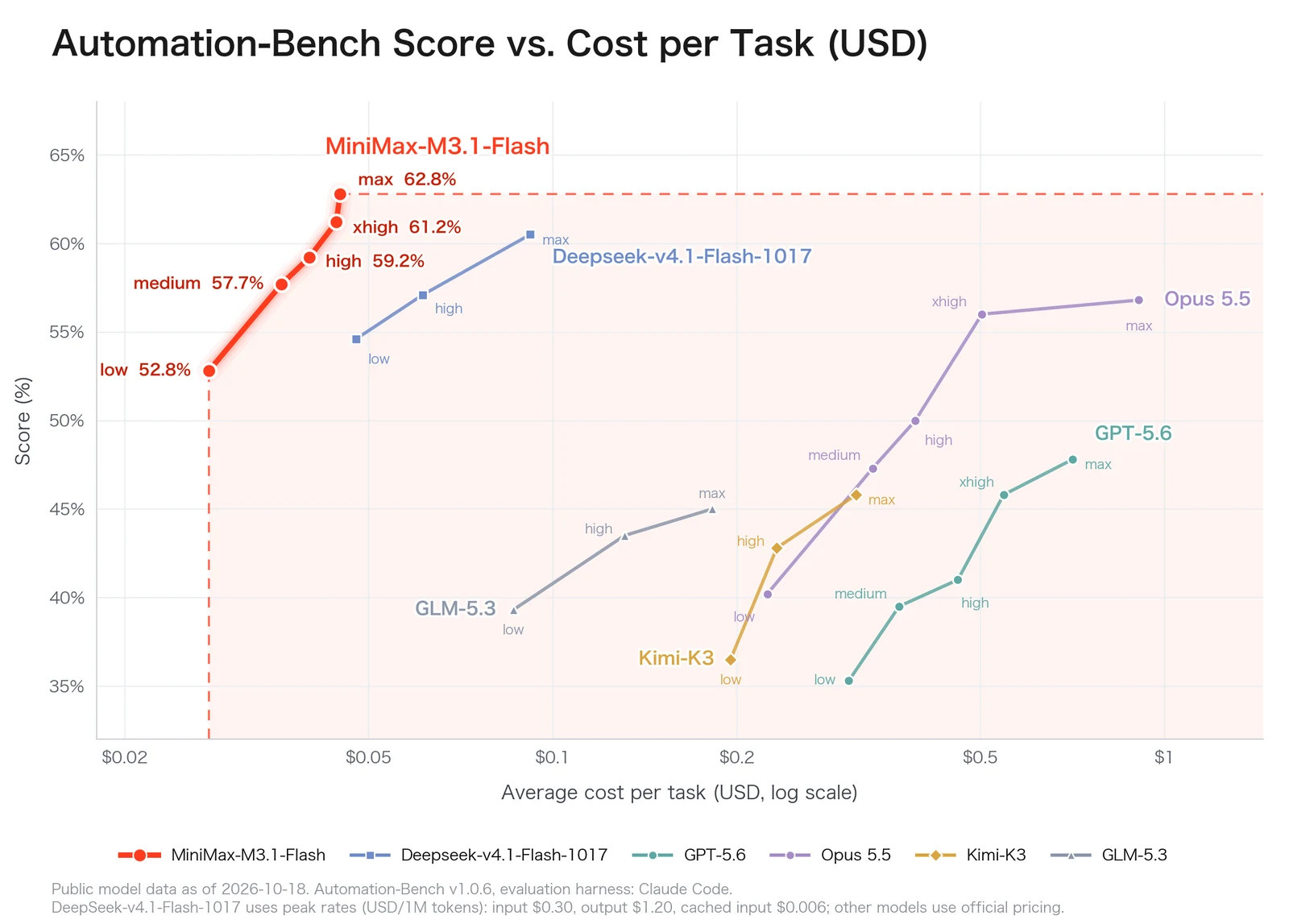
Qwen’s September 18 announcement describes 3.8-Omni-Flash as a model for text, images, audio and video with a million-token context window. It presents agent workflows including video editing and audiovisual research, alongside a real-time variant, Qwen-Live Harness and expanded multimodal plugins. The official post is marked draft. Its benchmark and cost improvements are the team’s claims and should be read with the published evaluation conditions.
Editorial context
Understanding a recording and delivering an edited artifact require different kinds of work. An assistant must preserve the requested story, select material, operate tools and check the result. The editorial significance is this attempt to connect perception to completion. It should be evaluated through the final media and editability, rather than through an impressive description of a video.
Editorial context: what to watch
A practical comparison could use the same source footage and editing brief, then ask independent viewers whether the deliverable follows it. Review time, missing context and incorrect captions would all matter. Long recordings also deserve explicit timing and cost measurements. The draft marker makes it especially useful to revisit the official page before treating every detail as settled product documentation.
Sources: Qwen: 3.8-Omni-Flash official announcement, September 18; page marked draft ↗