OpenAI launches GPT-6 Astra for complex computer and knowledge work
The September release combines broader task execution with new deployment monitoring, according to OpenAI’s launch and safety pages.
THE STORY IN THREE POINTS
- Astra was released on September 3.
- OpenAI emphasizes coding, computer use and professional workflows.
- Its safety overview describes added monitoring for tool-using deployments.
The release
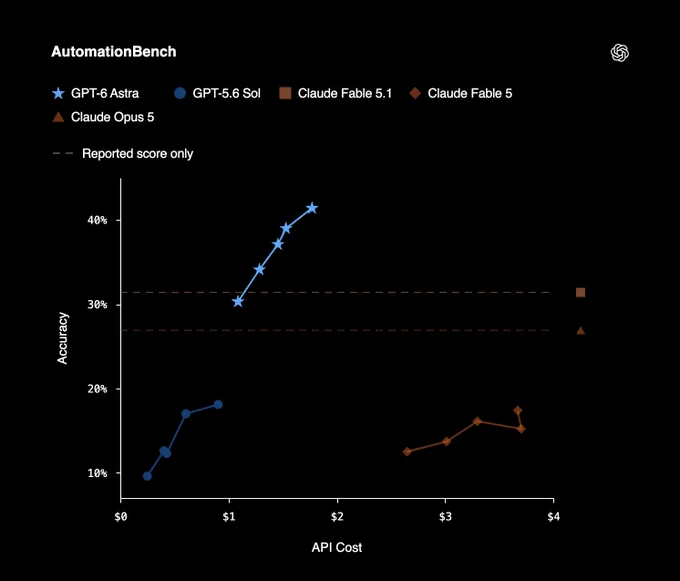
OpenAI introduced GPT-6 Astra on September 3, positioning it for computer use, coding, scientific tasks and professional work. The launch describes creating and editing artifacts while working across applications.
A separate same-day safety overview says Astra reaches OpenAI’s Critical cybersecurity capability threshold and describes stronger safeguards and deployment monitoring. These are the developer’s capability and safety assessments, rather than independent certification.
Editorial context: evaluate the whole task
A computer-use demonstration can conceal the difficult parts of everyday work: choosing the right file, recognizing an ambiguous instruction and recovering from a failed action. An evaluation should preserve those complications rather than remove them from the task.
One useful exercise would give a reviewer the final document or application change without the model's explanation. If the result is incomplete, the quality of the narration should not turn that attempt into a success.
Editorial outlook: what to watch
Independent workflow evaluations should report both successful outcomes and cases where the system needed intervention.
The September launch remains relevant to this edition, but availability and service settings can change. Readers making a deployment choice should consult current product documentation as well as the original announcement.
Sources: OpenAI: GPT-6 Astra: A new generation of intelligence ↗ OpenAI: Safety overview: GPT-6 Astra ↗