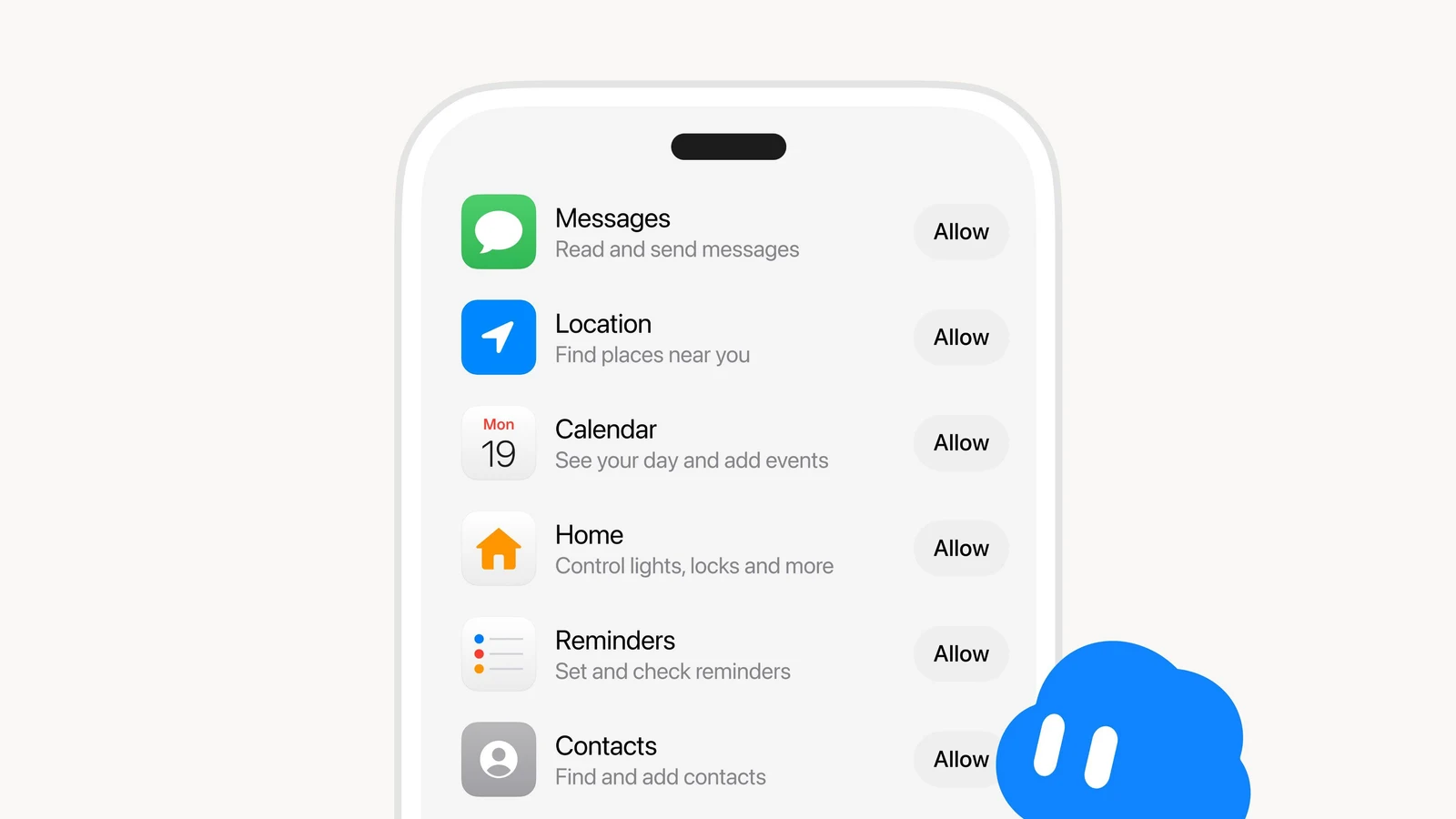
Grok Bot expands 1Password sign-ins with user-approved access
The integration is rolling out across platforms. 1Password says it fills approved logins without exposing passwords or one-time codes to the Bot, with account and plan restrictions.
THE PRODUCTS DESK
Where AI leaves the research paper and becomes something people can use.
The integration is rolling out across platforms. 1Password says it fills approved logins without exposing passwords or one-time codes to the Bot, with account and plan restrictions.
The official Bot account says access to phone apps is rolling out on iOS and Android. The announcement names Calendar, Reminders and Contacts without detailing every supported action.
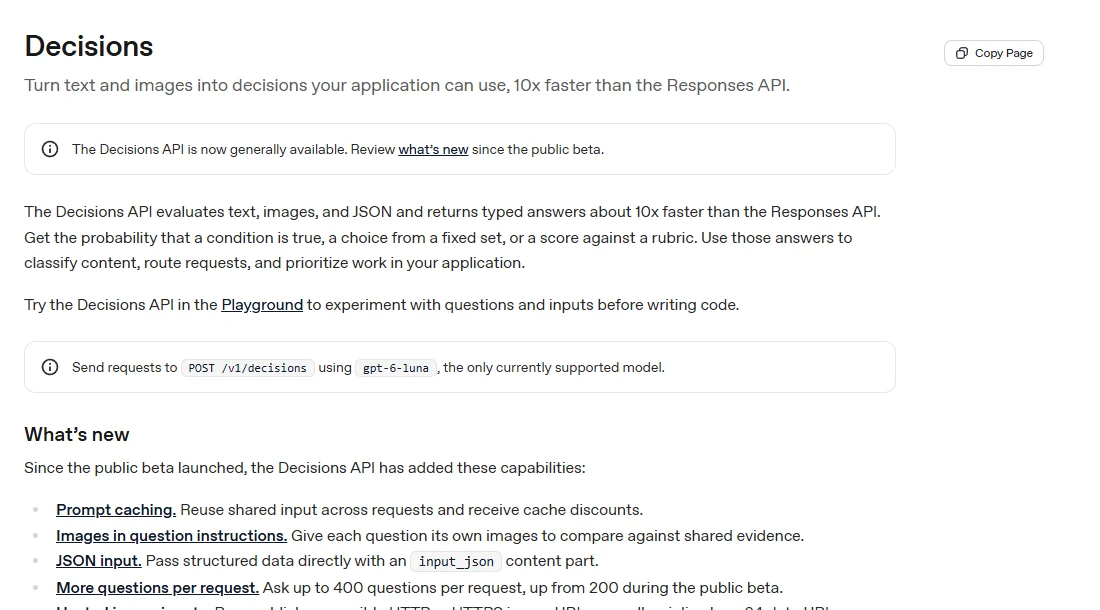
The GPT-6 Luna endpoint now handles up to 400 questions per request. Its input-based pricing includes discounted cache reads and charged cache writes, while answers carry no output-token fee.
The research preview brings morning briefs and background tasks to US Pro and Max subscribers through a waitlist. Official documentation spells out the approval rules, shared usage limits and features still missing.
Signed-in users are promised cache hits when returning to old conversations. OpenAI’s website separately documents a new 12-hour caching option for the Responses API.
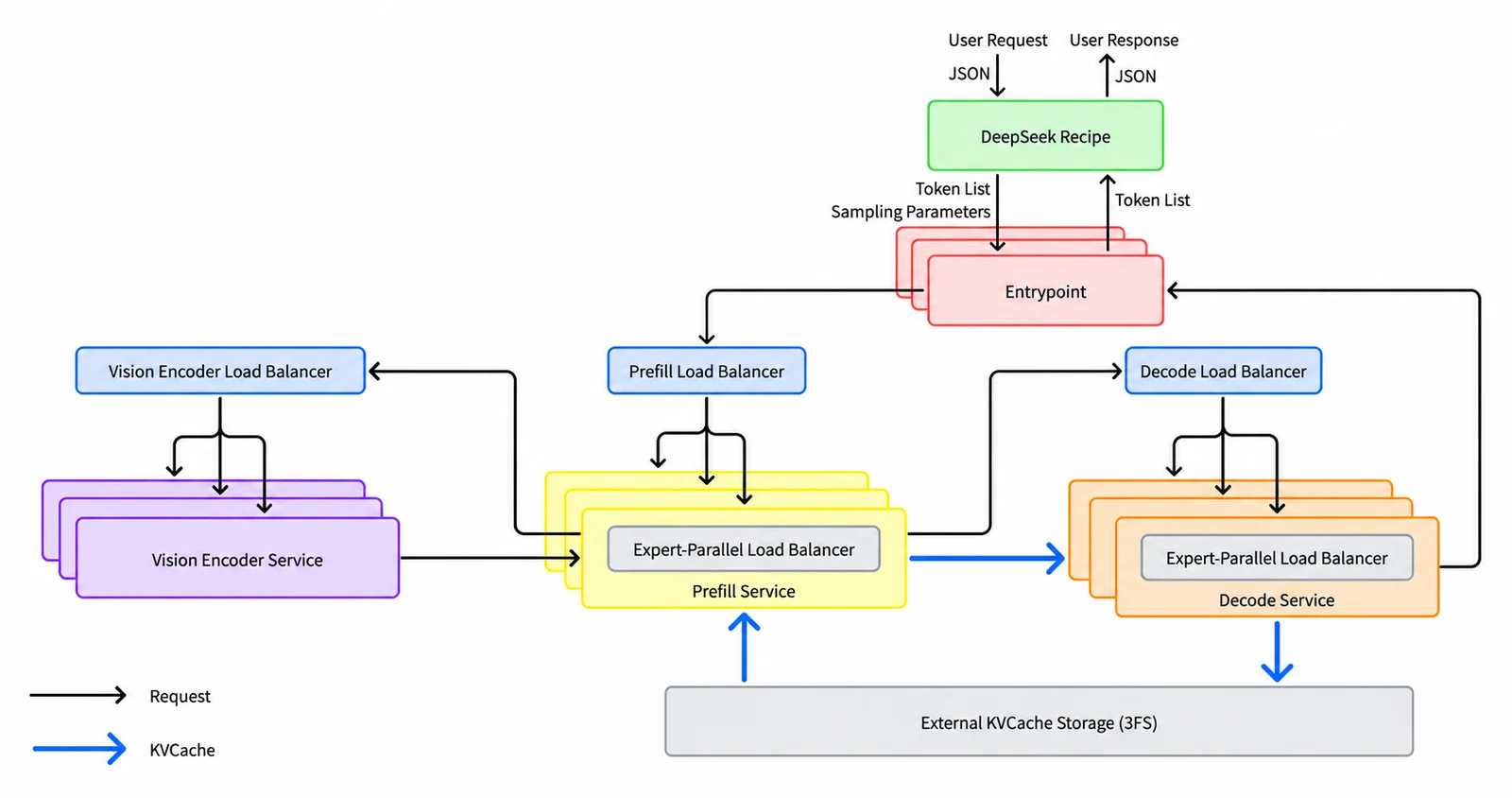
The framework runs V4.1 Flash on NVIDIA and Huawei hardware. Its offline inference core is public, while parts of DeepSeek’s production serving system remain outside the release.
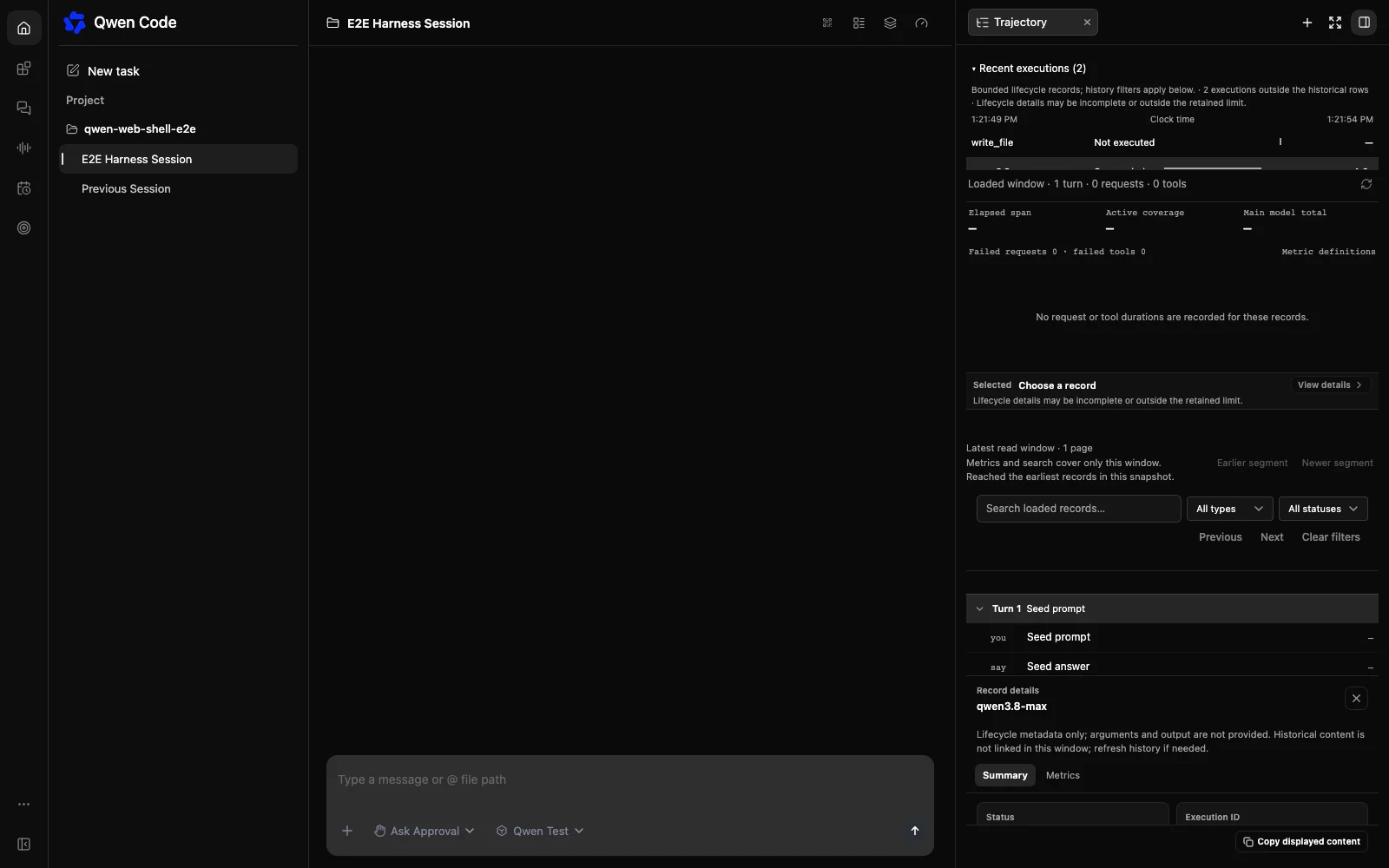
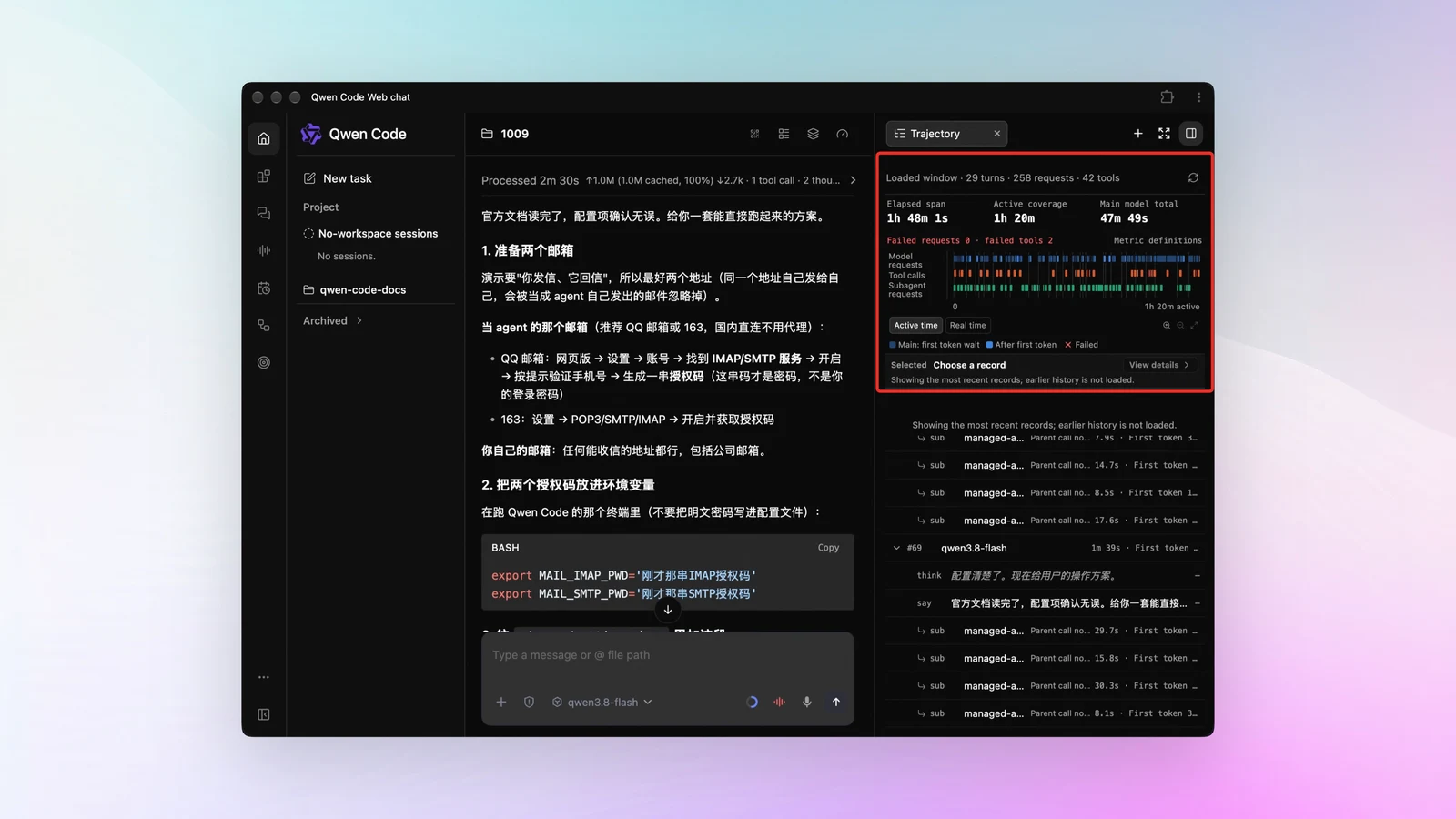
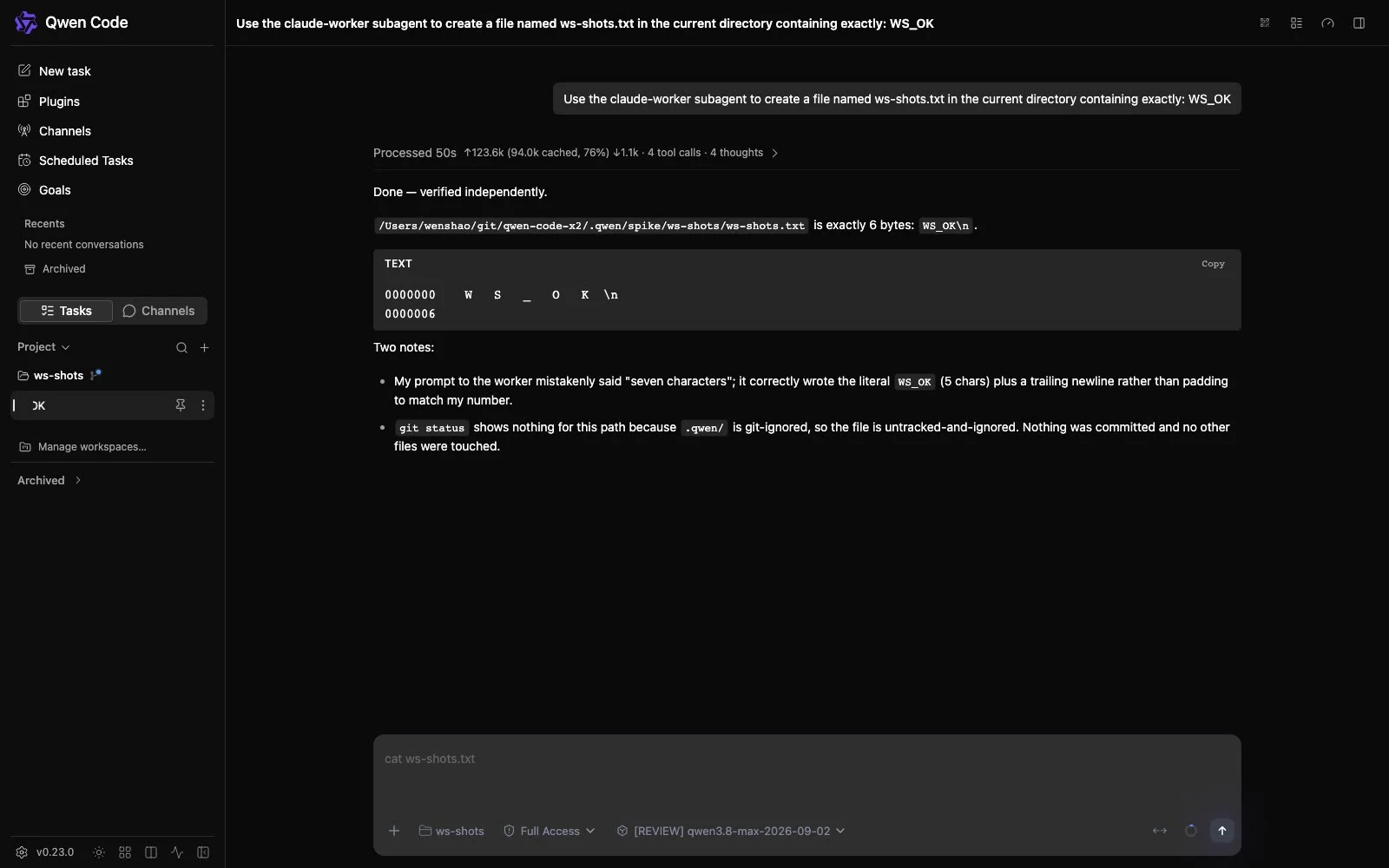
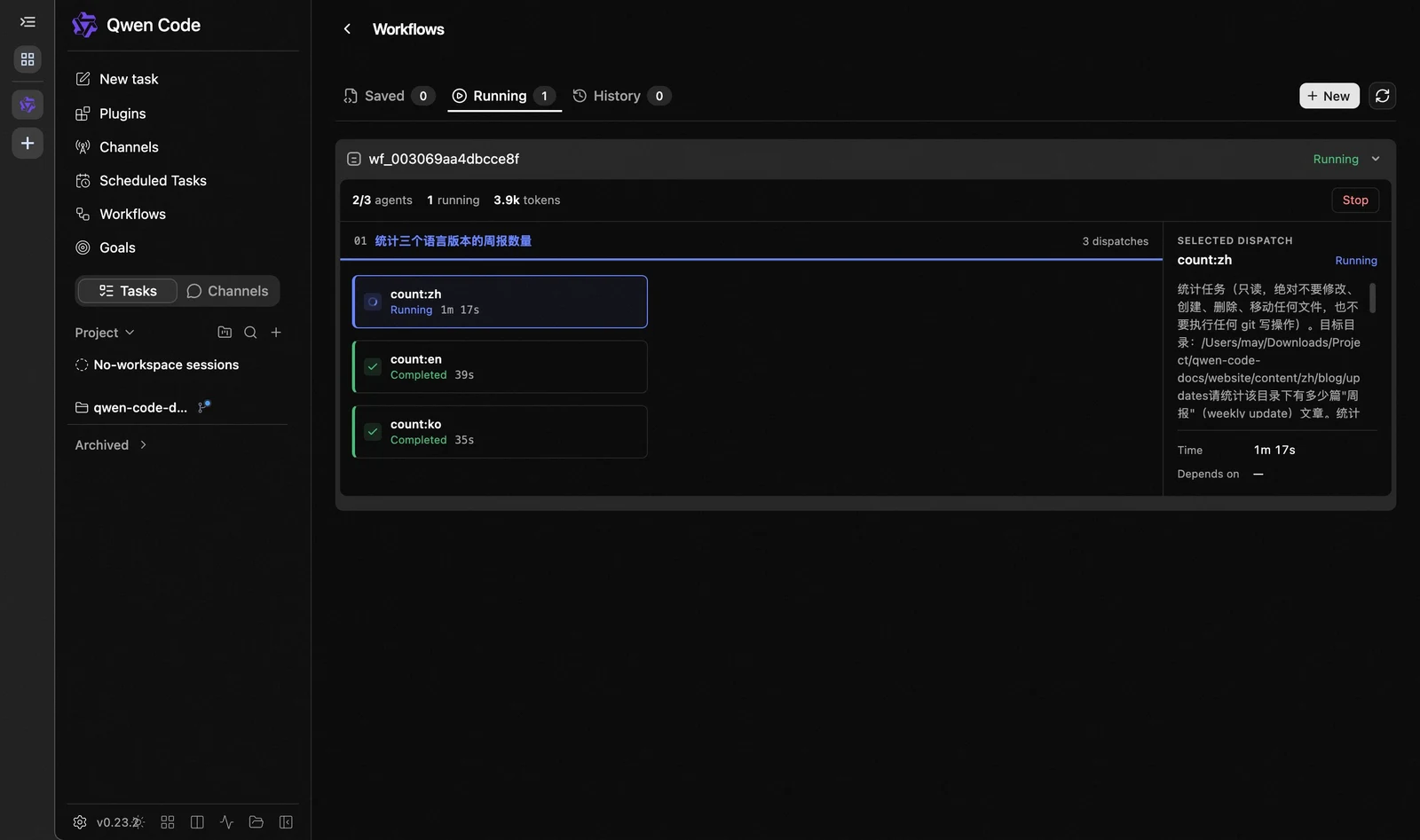
Version 0.25.3 adds live execution records and more workspace controls for people supervising coding agents.
Search and Fetch give developers another route to bring web information into their AI applications.
The October update improves tool use and lets eligible Pro users follow several agents working on different parts of a task.
The rollout introduces GPT-Live-1.1 and its smaller Quip variant, with new voice choices and more natural accents across languages.
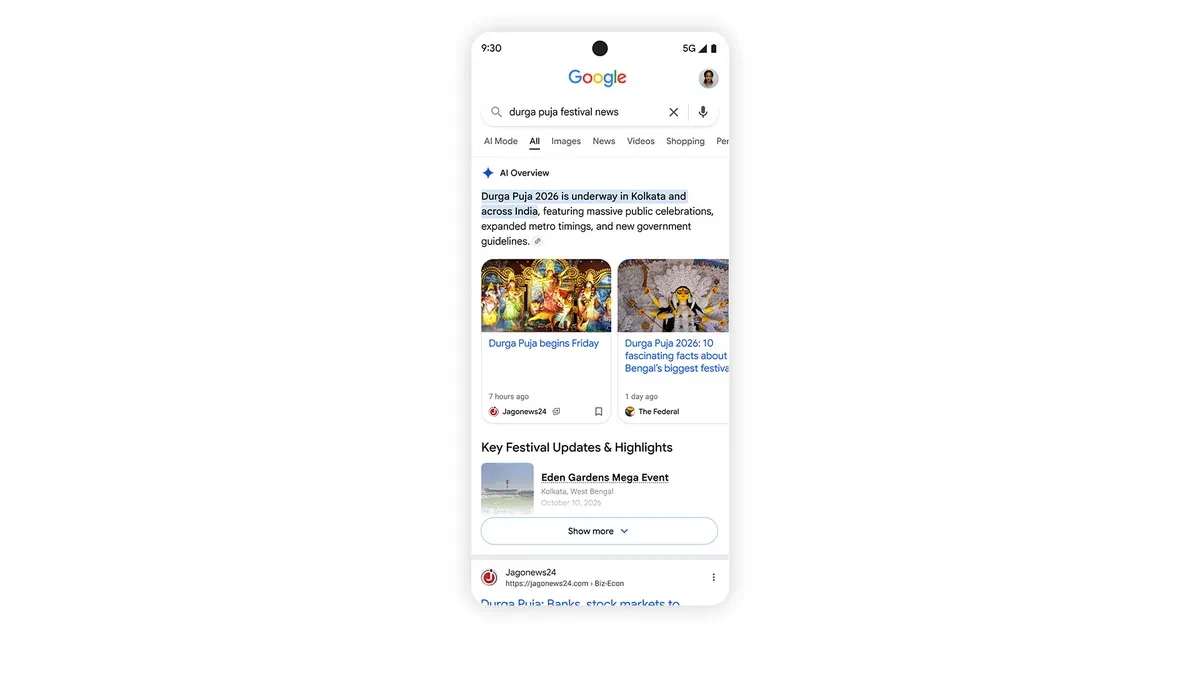
AI Mode and AI Overviews are getting clearer paths to websites and reporting, with some displays still in testing.
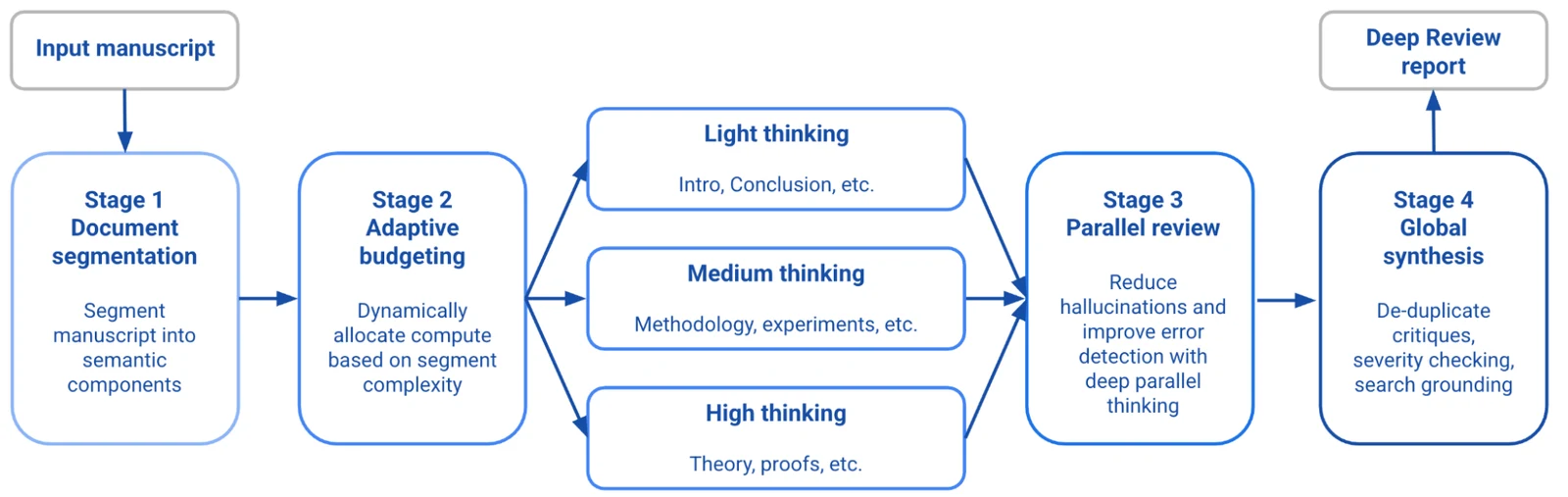
The public release expands an author feedback experiment into a document review tool, initially supporting PDF and plain text inputs.
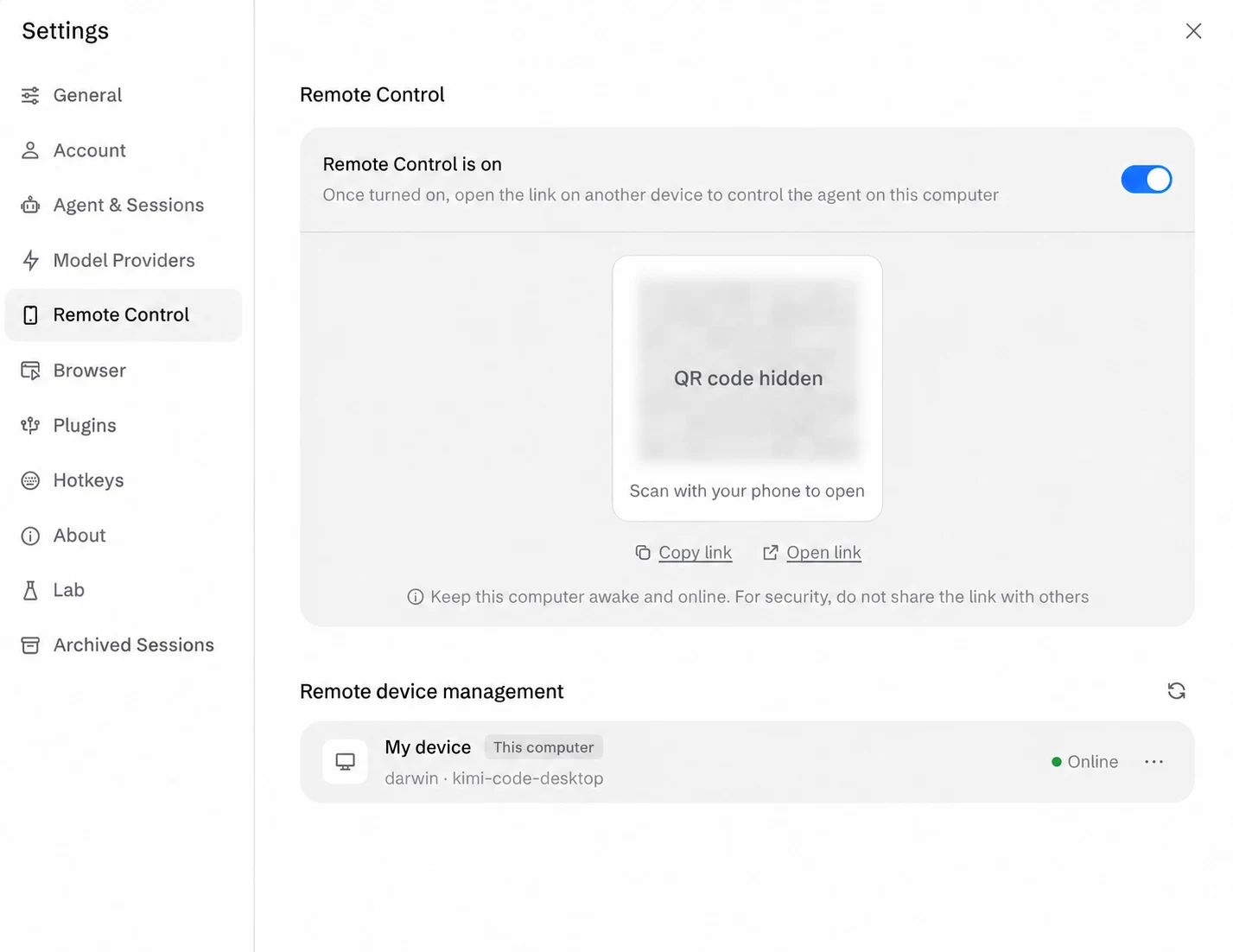
The October update lets users steer a local agent from another device while execution remains on the host computer.
The October plan combines AI and social products with a shared pool of Grok model usage.
The October 9 update brings several ways to interact with the coding agent, with platform limits on Chrome integration.
The initiative pairs a critical infrastructure program with a free scanner for open-source projects.
The Gemini at Work announcement connects persistent execution, organizational context and tool access in a shared agent architecture.
OpenAI is expanding its GPT-6 rollout with responses that can contain charts, forms and tools directly inside a conversation.
College Planner is being designed around requirements, deadlines and financial aid steps, with an initial focus on US high school students.
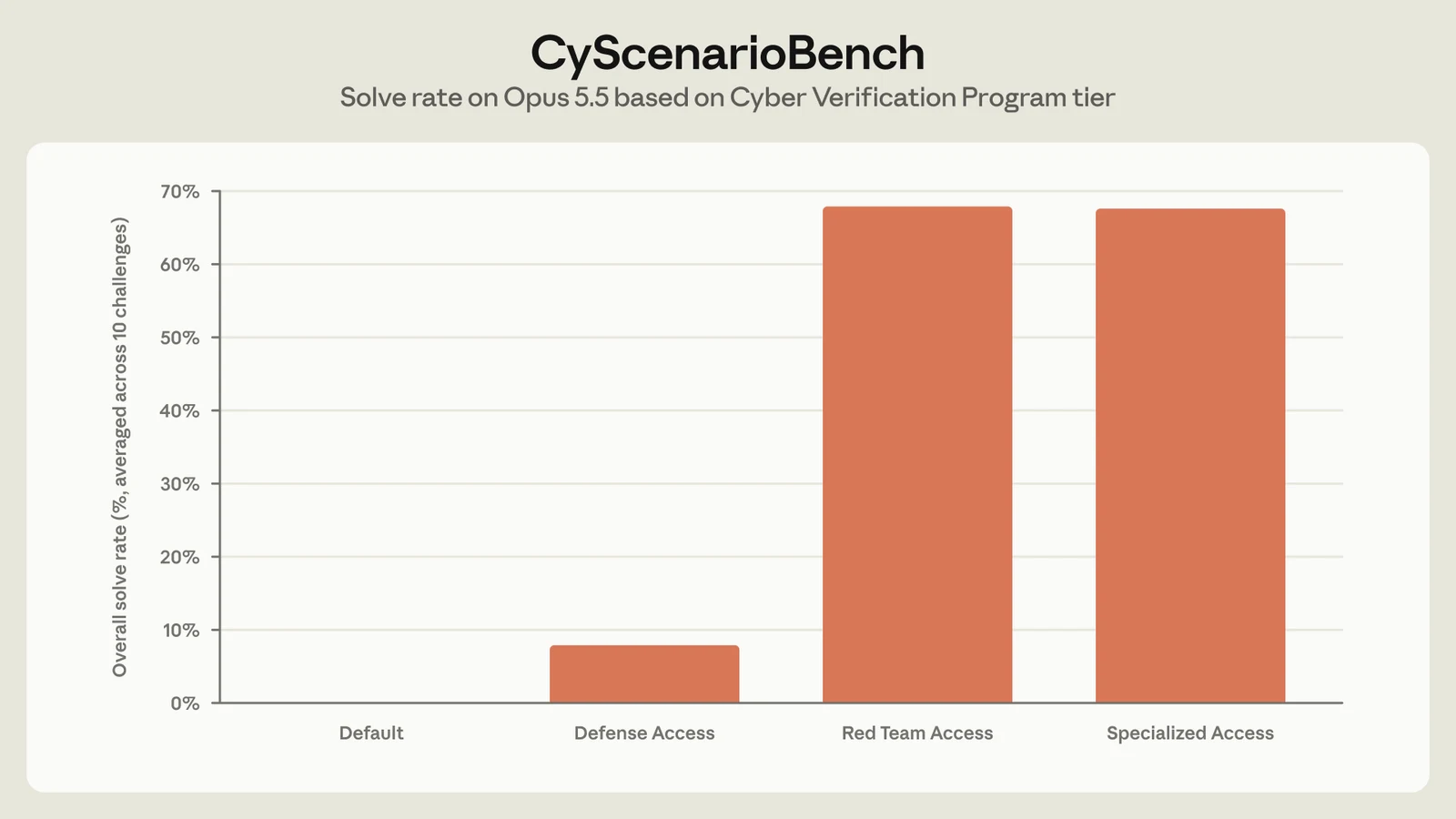
The revised program combines existing efforts and matches model access to the scope of authorized security work.
North 2 combines workflow features with options for private and air-gapped deployment.
An initial US test for Free and Go users is scheduled for later in October, alongside expanded advertiser measurement tools.
The new guide centers model selection, reusable context, clear task boundaries and measurement of completed work.
Meta connects its personal agent to business tools and makes owner approval a central part of external actions.
The rollout brings persistent task execution and connected apps to eligible plans, with separate enterprise specialist pilots.
The September launch brings shared skills, application connections and memory to a role-based bot.
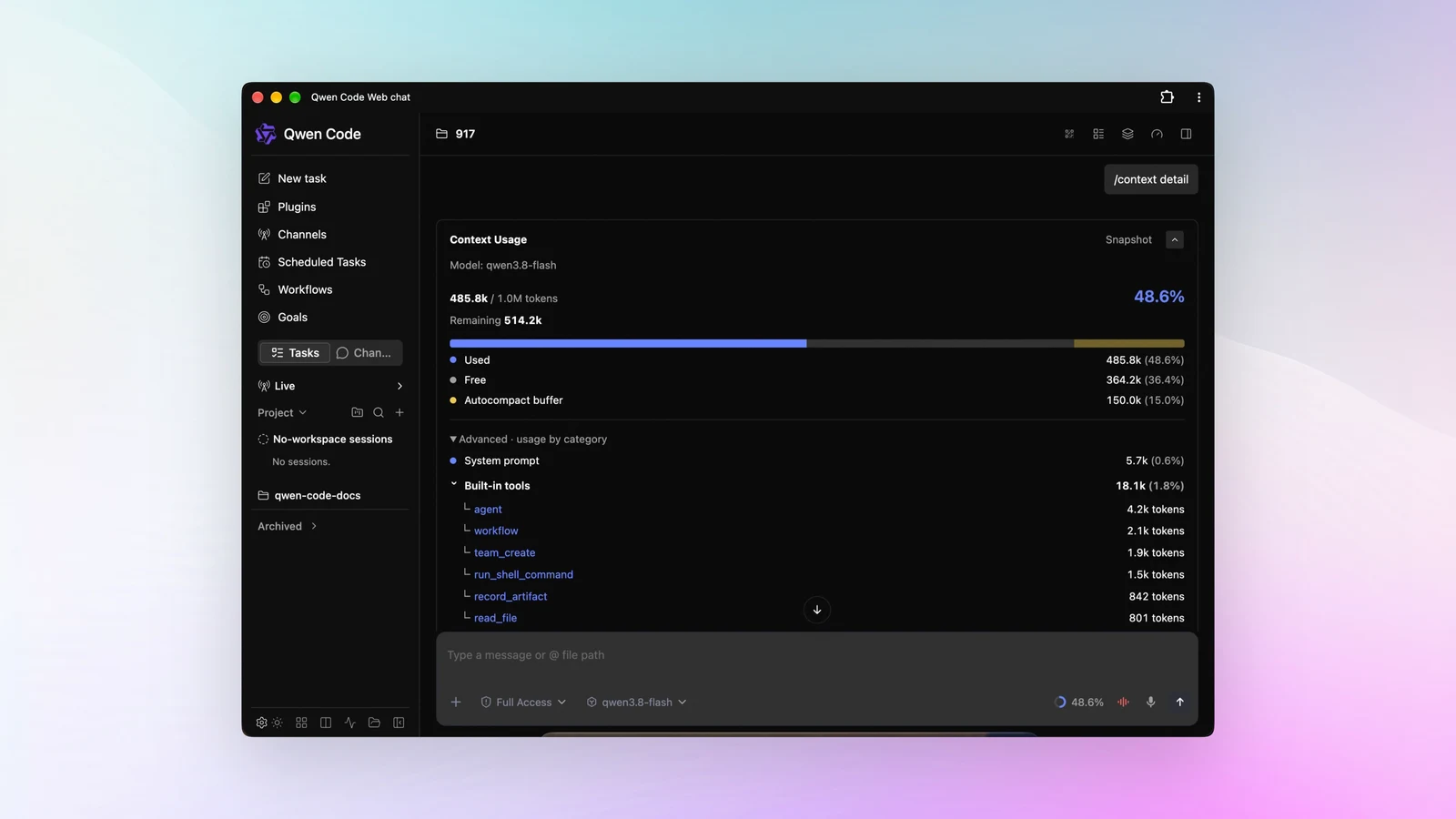
The September 24 roundup adds file-level context accounting, remote workspaces and selective retries.
A separate computing puck supports a glasses-shaped virtual workspace and voice-driven controls.
The Connect update combines more hands-free directions with a phased international expansion.
Meta’s first audio glasses arrive alongside a broader expansion of its wearable lineup.
The September 17 release connects Claude Code and Codex while adding workflow caps, time limits and live web previews.
Project notes capture conventions and decisions, while current instructions retain precedence.
The Mozilla partnership ties browser assistance to regional rollout plans and a stated zero-retention commitment.
The new service groups individual, creator, and business plans while Meta says core app access stays free.
The September 10 update makes agent runs inspectable and lets named group-chat tasks use separate workspaces.
The company pairs a dedicated virtual machine with approval checkpoints for consequential actions.
The September rollout adds access, network and audit controls for organizations managing several agents.
Try a company, a model name, or a different channel.