Meta introduces Muse as a personal agent with its own browser
The company pairs a dedicated virtual machine with approval checkpoints for consequential actions.
THE STORY IN THREE POINTS
- Meta announced Muse on September 8.
- The agent runs in a dedicated virtual machine with a browser.
- Meta says users decide access and approve important external actions.
What was announced
Meta introduced Muse on September 8 as a personal AI agent available through its own app and WhatsApp. The company says Muse runs in a dedicated virtual machine with its own browser and can continue work after a user closes the app. It is powered by Muse Spark in the launch account.
The details that matter
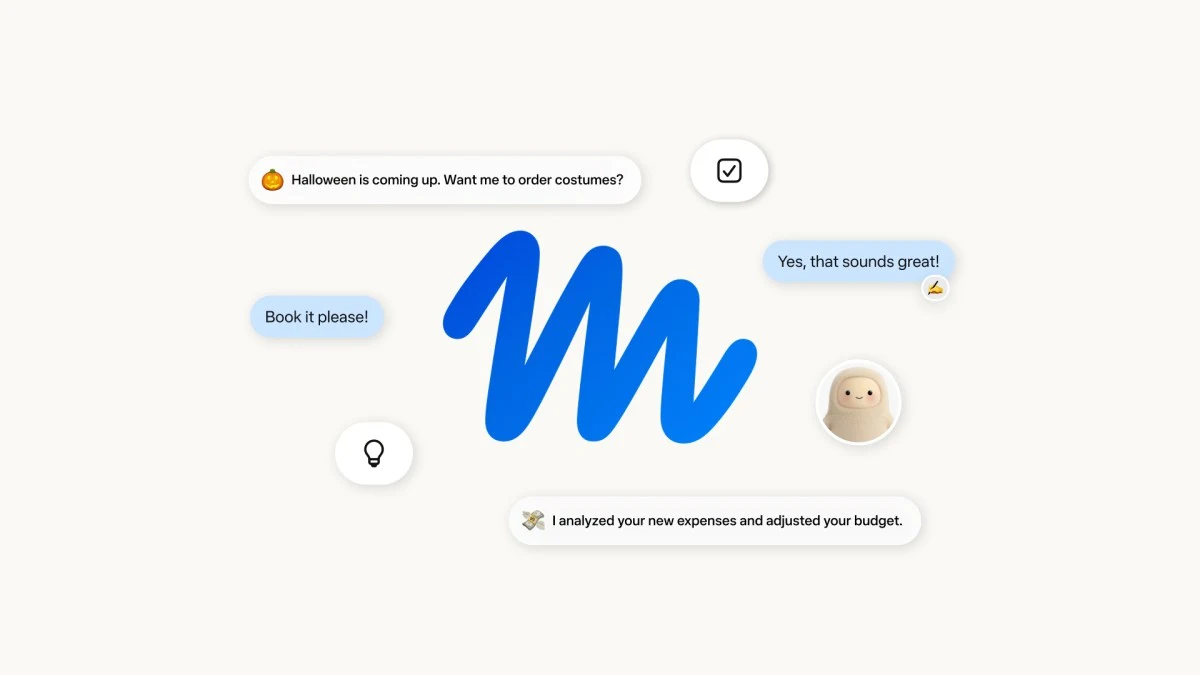
Meta describes tasks spanning forms, email, travel, and longer-term plans. It says the agent checks in for approval before actions such as sending email or purchasing, while users decide how much access to grant. September 8 is the original publication date; the article also carries a September 30 update.
Editorial context
A personal agent needs a working definition of permission that survives a long task. A useful test would distinguish reading an itinerary, drafting a change, and actually confirming a booking. The interface should help a person understand when an action becomes consequential and what can still be reversed. Progress reporting also matters when the user is away. Those are editorial expectations for the category, not a guarantee that a virtual machine alone makes every action appropriate or that we have verified Muse’s behavior across those scenarios.
Sources: Meta: Introducing Muse: The World’s First Personal AI Agent Built for Everyone ↗