A smartARM prototype uses Meta vision tools to choose grips
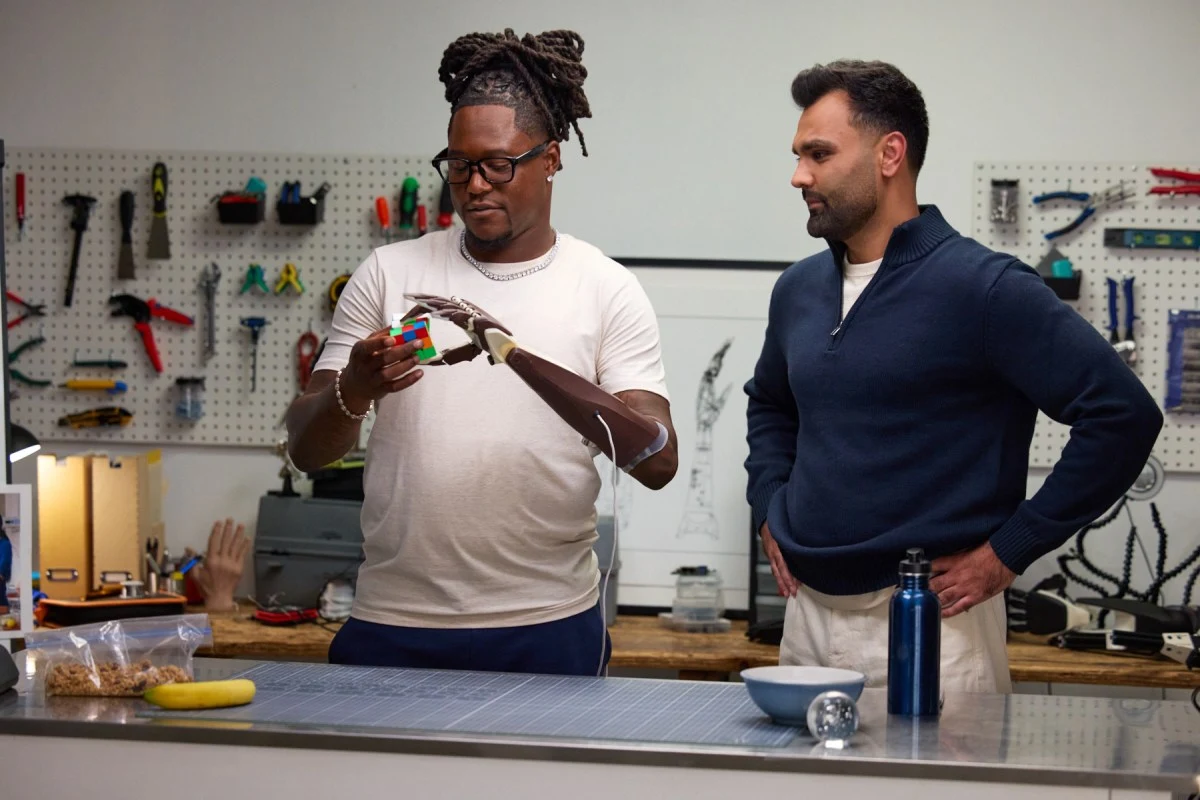
The Canadian startup combines a palm camera with DINOv2 and optional AI-glasses context.
THE STORY IN THREE POINTS
- Meta published the smartARM account on September 16.
- The account describes a vision-first bionic-arm prototype.
- Reported usability improvements have not been independently assessed by this publication.
What was announced
Meta highlighted Toronto-based smartARM on September 16, describing a bionic-arm prototype that uses computer vision to support grip selection. The startup uses Meta’s DINOv2 model to recognize objects from reference images. A camera in the palm provides the main visual input, according to the company account.
The details that matter
Meta AI glasses and its Wearables Device Access Toolkit can add a first-person view as an optional complement. The post describes efforts to reduce manual switching between grips. It is a vendor-published account of a prototype, rather than a clinical study establishing safety or suitability for individual users.
Editorial context
An accessibility tool should be judged in the varied environments where a person wants to use it, including poor lighting, unfamiliar objects, and changing routines. The relevant evidence would include who participated in testing, what assistance was needed, and how the system handled uncertainty. A compelling demonstration can help explain a design, but broad usability needs a wider record. Our editorial interest is in making those evaluation conditions visible, so readers can distinguish an encouraging engineering approach from evidence about dependable everyday operation.
Sources: Meta: Canadian Start-up smartARM Uses AI to Create Intuitive Bionic Prosthetics ↗