Google’s Suncatcher prototype reaches orbit to test space AI hardware
The satellite mission is an early research step examining how TPUs handle launch stress and the environment in space.
THE STORY IN THREE POINTS
- Google reported launch and confirmed satellite contact on October 1.
- The prototype was built with Planet.
- The mission will collect data on TPU behavior in space.
The mission update
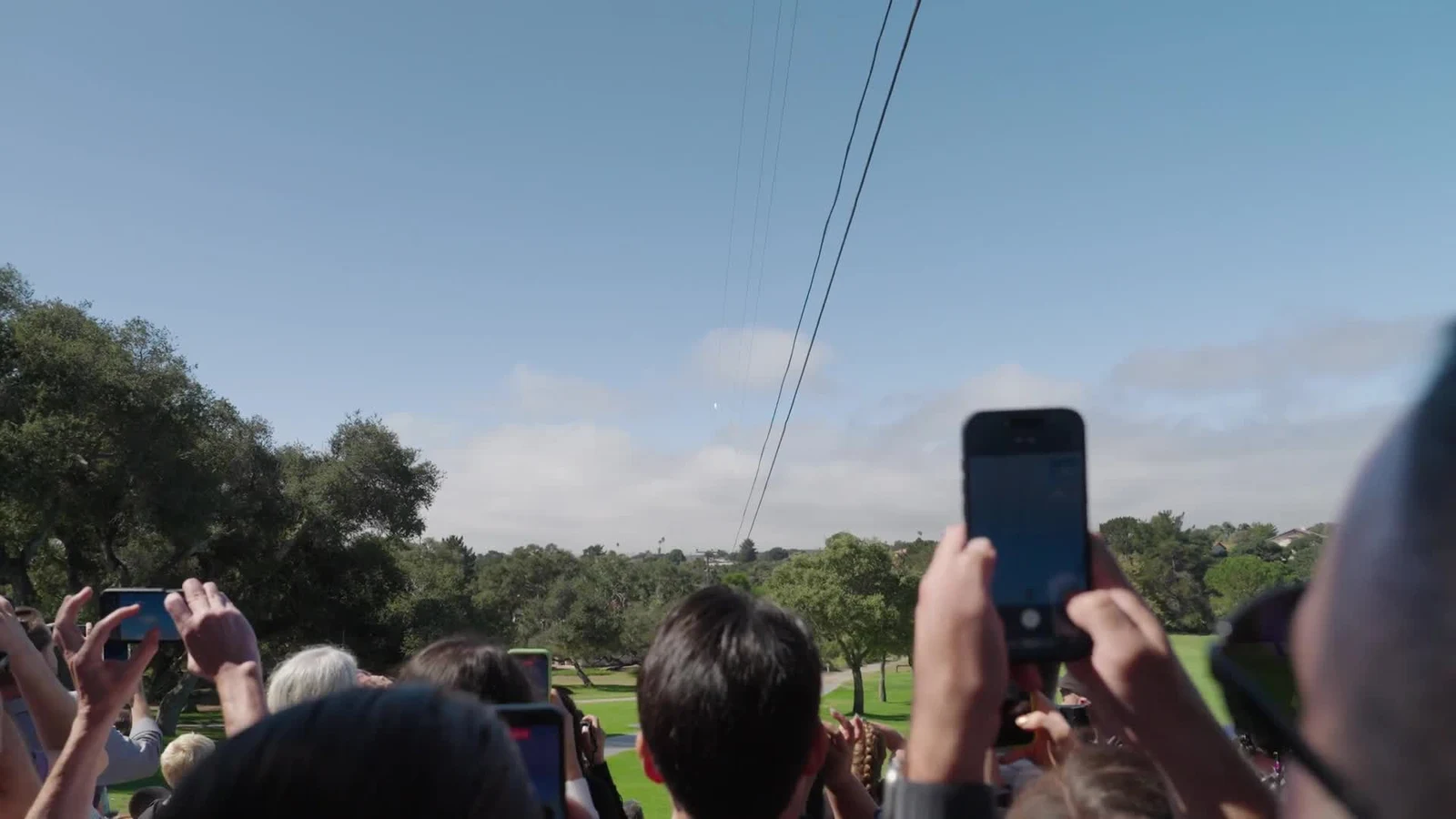
Google said its Project Suncatcher prototype satellite, built with Planet, launched on SpaceX’s Transporter-18 mission. The team reported contact with the satellite and said it was operating as expected.
The research will examine TPU behavior under the stresses of spaceflight, radiation and thermal extremes. Google frames the mission as an early step in exploring potential space-based machine learning infrastructure, rather than an operational computing service.
Editorial context: a prototype answers a limited question
An orbital hardware experiment could establish how a component behaves in its actual environment. It would still leave a separate set of questions about maintenance, communications, system scale and the economics of delivering useful computing work.
Readers should therefore look for the specific hypothesis behind each reported test. A successful launch would support one milestone, while dependable computation over time would require a different body of evidence.
Editorial outlook: what to watch
The important follow-up is measured in-orbit performance, with enough technical detail to understand the test conditions.
An informative result would include degradation, failures and the revisions those findings suggest. That evidence would help distinguish a promising research direction from a claim that large-scale deployment is already practical.
Sources: Google: Our Project Suncatcher prototype satellite is in orbit. ↗